Understanding top child development milestones helps parents track their child’s growth and identify potential concerns early. Children grow at different rates, but certain benchmarks provide useful guidance. These milestones cover physical abilities, thinking skills, language, and social behaviors. Knowing what to expect at each stage gives parents confidence and helps them support their child effectively. This guide breaks down the key milestones from infancy through early childhood, offering practical insights for every parent.
Table of Contents
ToggleKey Takeaways
- Top child development milestones span physical, cognitive, language, and social-emotional growth from infancy through age five.
- Reading aloud daily and engaging in conversation are among the most effective ways to support language and cognitive development.
- Consistent routines, safe play spaces, and age-appropriate toys help children reach key developmental milestones.
- Red flags like no babbling by 12 months or no two-word phrases by 24 months warrant a pediatrician visit for evaluation.
- Early intervention programs are available in every state and can significantly improve outcomes for developmental delays.
- Parents don’t need special training—consistent engagement, positive reinforcement, and responsiveness matter most for healthy child development.
Physical Development Milestones
Physical development milestones mark a child’s growing control over their body. These skills progress in a predictable sequence, though timing varies from child to child.
Infancy (0-12 months)
Newborns start with basic reflexes. By two months, most babies can lift their heads briefly during tummy time. Around four months, they begin rolling over. Sitting without support typically happens between six and eight months. Crawling usually starts around nine months, and many babies take their first steps near their first birthday.
Toddler Years (1-3 years)
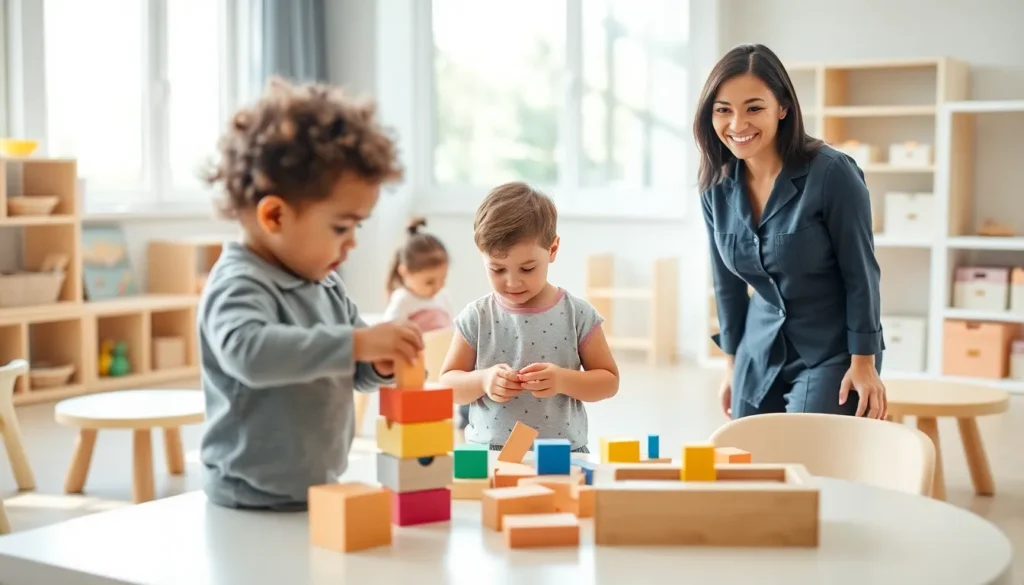
Walking becomes more stable during the second year. Toddlers start running, climbing stairs with help, and kicking balls. By age two, most children can jump with both feet. Fine motor skills also advance, children learn to stack blocks, turn pages, and use crayons.
Preschool Age (3-5 years)
Preschoolers gain better coordination. They can hop on one foot, catch a ball, and pedal a tricycle. Fine motor control improves further, allowing them to draw shapes, use scissors, and dress themselves. These physical milestones in child development build the foundation for sports, writing, and daily activities.
Parents should provide safe spaces for active play. Regular physical activity supports muscle development and coordination. If a child misses several milestones or shows significant delays, consulting a pediatrician is wise.
Cognitive and Language Growth
Cognitive and language milestones reflect how children think, learn, and communicate. These skills develop rapidly during the first five years.
First Year
Babies recognize faces and respond to sounds from birth. By three months, they track moving objects with their eyes. Around six months, babies start babbling with consonant sounds like “ba” and “da.” By twelve months, most say their first words and understand simple instructions like “no” or “give me.”
Ages 1-2
Vocabulary expands quickly. Most toddlers know 50 words by 18 months and start combining two words by age two (“more milk” or “daddy go”). They begin sorting shapes, pointing to body parts, and showing curiosity about how things work.
Ages 2-3
Two-year-olds form short sentences and ask many questions. They start understanding concepts like “big” and “small.” Memory improves, they recall events from the previous day and recognize familiar stories.
Ages 3-5
Preschoolers speak in complete sentences and tell simple stories. They count objects, recognize some letters, and understand time concepts like “yesterday” and “tomorrow.” Problem-solving skills emerge as they figure out puzzles and predict what happens next in stories.
Reading aloud to children every day supports both cognitive and language development. Conversations, even with babies, build vocabulary and comprehension. These top child development milestones in thinking and language shape academic readiness.
Social and Emotional Development
Social and emotional milestones show how children relate to others and manage their feelings. These skills affect friendships, behavior, and mental health throughout life.
Infancy
Babies form attachments to caregivers within the first few months. They smile socially around two months and show stranger anxiety by eight or nine months. This wariness signals healthy attachment, they recognize the difference between familiar people and strangers.
Toddler Stage
Toddlers test boundaries. Tantrums peak between 18 months and three years as children experience strong emotions without the words to express them. They begin parallel play, playing alongside other children without direct interaction. Sharing remains difficult, which is normal at this age.
Preschool Years
Cooperative play develops around age three. Children start taking turns, following rules in simple games, and forming friendships. Empathy grows, they notice when others feel sad and may try to comfort them. Preschoolers also develop more self-control, though emotional regulation takes years to master.
Supporting Emotional Growth
Parents help by naming emotions: “You seem frustrated because the blocks fell down.” This teaches children to identify and express feelings appropriately. Consistent routines and clear expectations also support emotional security.
These child development milestones in social and emotional areas deserve as much attention as physical or academic progress. Strong emotional foundations help children handle stress and build healthy relationships.
How to Support Your Child’s Development
Parents play a central role in supporting child development milestones. Simple daily actions make a significant difference.
Create a Stimulating Environment
Provide age-appropriate toys and books. Rotate toys to maintain interest. Safe spaces for crawling, climbing, and exploring encourage physical development.
Talk and Read Often
Language exposure matters enormously. Narrate daily activities: “Now we’re putting on your shoes.” Ask open-ended questions to encourage thinking. Read together every day, it’s one of the most effective ways to boost cognitive and language skills.
Encourage Play
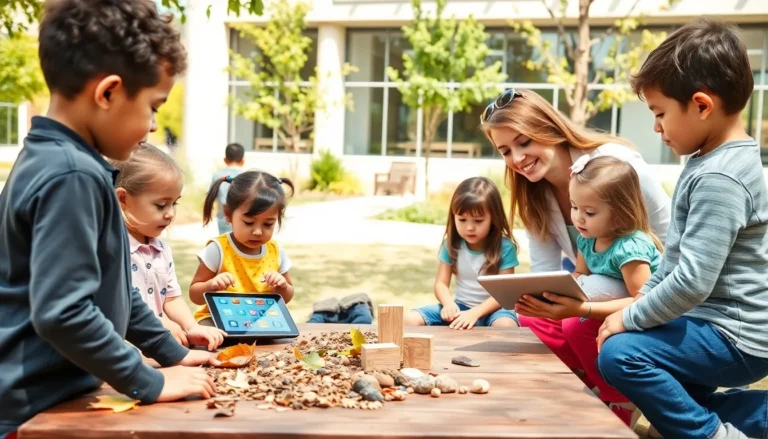
Play is how children learn. Unstructured playtime lets children practice creativity and problem-solving. Outdoor play builds gross motor skills and provides sensory experiences.
Maintain Consistent Routines
Predictable schedules help children feel secure. Regular mealtimes, bedtimes, and activities reduce anxiety and support emotional development.
Limit Screen Time
The American Academy of Pediatrics recommends avoiding screen time for children under 18 months (except video chatting) and limiting it to one hour of quality programming for ages two to five. Face-to-face interaction supports development better than screens.
Be Patient and Positive
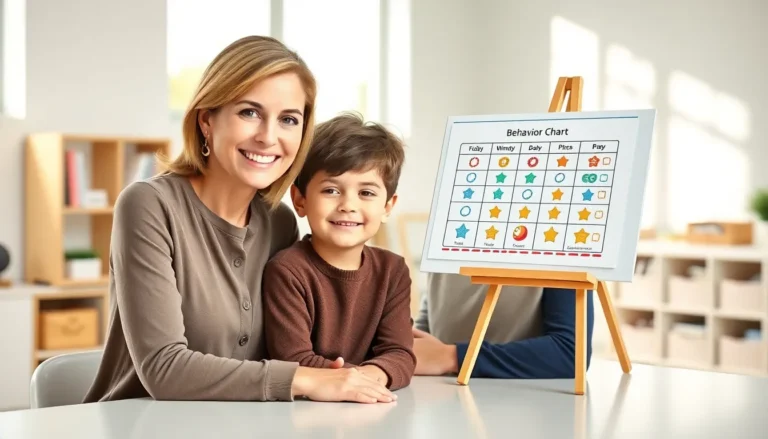
Children develop at different rates. Celebrating small achievements builds confidence. Positive reinforcement works better than criticism for encouraging desired behaviors.
These strategies support top child development across all domains. Parents don’t need special training, consistent engagement and responsiveness matter most.
When to Seek Professional Guidance
While children develop at individual paces, certain signs warrant professional evaluation. Early intervention improves outcomes for developmental delays.
Red Flags by Age
By 6 months: No smiling at people, no eye contact, doesn’t respond to sounds
By 12 months: No babbling, no gestures (pointing, waving), doesn’t respond to name
By 18 months: No single words, loss of previously acquired skills
By 24 months: No two-word phrases, doesn’t follow simple instructions
By 36 months: Speech is difficult to understand, shows no interest in other children, frequent falling or difficulty with stairs
What to Do
Parents who notice concerns should start with their pediatrician. Doctors can conduct developmental screenings and refer families to specialists if needed. Early intervention programs exist in every state for children under three.
Trusting parental instincts matters. Parents know their children best. If something seems wrong, seeking evaluation causes no harm, and early support can make a major difference.
Available Resources
Speech therapists address language delays. Occupational therapists help with motor skills and sensory issues. Developmental pediatricians evaluate broader concerns. Many services are available at low or no cost through public programs.
Understanding child development milestones helps parents recognize when development falls outside typical ranges. Professional guidance provides clarity and connects families with appropriate support.