
Discipline and behavior tools help parents, teachers, and caregivers guide children toward better choices. These strategies focus on teaching rather than punishing. The right tools can transform daily struggles into learning opportunities.
Many adults confuse discipline with punishment. They’re not the same thing. True discipline builds skills and self-control over time. It creates lasting change instead of temporary compliance.
This guide covers proven behavior management tools that work. Readers will learn the difference between discipline and punishment, discover practical techniques, and find out how to select the best approach for their specific situation.
Table of Contents
ToggleKey Takeaways
- Discipline and behavior tools focus on teaching children skills and self-control, rather than simply punishing unwanted actions.
- Effective behavior management combines multiple strategies—including visual charts, reward systems, and communication techniques—tailored to each child’s needs.
- Active listening, “I” statements, and de-escalation techniques help adults address challenging behaviors while maintaining strong relationships.
- Age, temperament, and the specific behavior should guide which discipline and behavior tools you select for your child.
- Consistency matters more than perfection—children learn expected behaviors through predictable, repeated responses from caregivers.
- Regularly evaluate and adjust your approach as children grow, since tools that worked before may need updating over time.
Understanding Discipline Versus Punishment
Discipline and behavior tools serve a different purpose than punishment. Discipline teaches children what to do. Punishment focuses on what not to do. This distinction matters more than most people realize.
Punishment typically involves taking something away or causing discomfort. A child breaks a rule, and they lose privileges or face consequences. The goal is to stop unwanted behavior through negative outcomes. The problem? Punishment often creates fear, resentment, or sneakier behavior.
Discipline takes a different approach. It comes from the Latin word “disciplina,” meaning instruction or teaching. Effective discipline and behavior tools help children understand why certain behaviors matter. They build internal motivation instead of relying on external control.
Consider this example: A child hits their sibling. Punishment might look like time-out or losing screen time. Discipline looks like teaching the child to use words when frustrated, practicing calm-down techniques, and helping them repair the relationship with their sibling.
Research supports the discipline approach. Studies show that positive discipline methods lead to better long-term outcomes. Children develop stronger problem-solving skills and emotional regulation. They also maintain closer relationships with caregivers.
The shift from punishment to discipline requires patience. Adults must learn new responses to challenging behavior. They need specific discipline and behavior tools in their toolkit. But the investment pays off through improved cooperation and family harmony.
Essential Behavior Management Tools
Successful behavior management requires multiple strategies. No single tool works for every child or situation. The most effective approach combines several discipline and behavior tools based on the child’s needs.
Visual Charts and Reward Systems
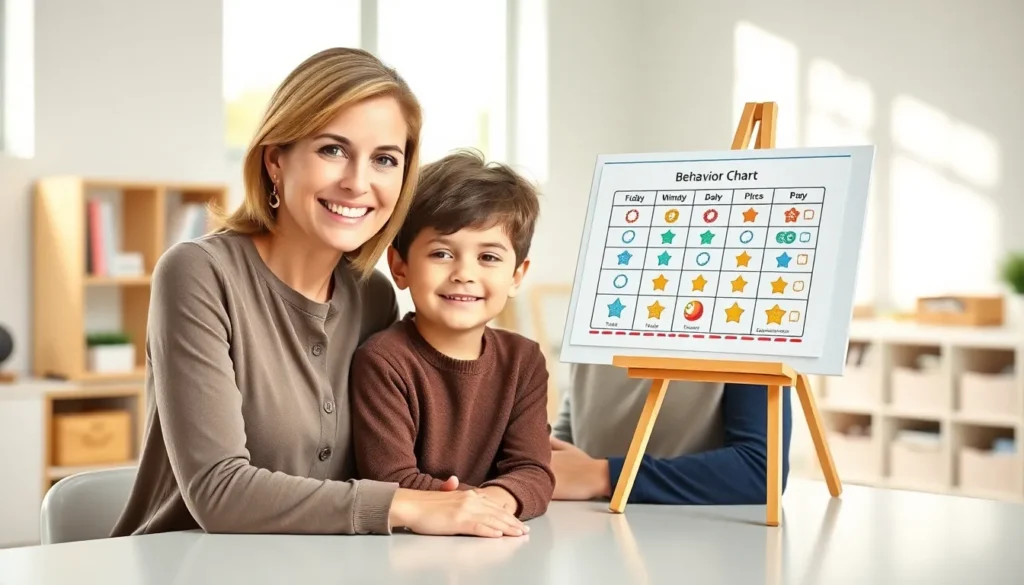
Visual charts give children clear expectations they can see. A simple behavior chart tracks daily goals like completing assignments, speaking kindly, or following bedtime routines. Children check off accomplishments and watch their progress grow.
Reward systems pair well with visual tracking. But they need careful implementation to work properly. Rewards should be specific, timely, and meaningful to the child. A sticker for a five-year-old holds more value than cash. A teenager might respond better to extra screen time or a later curfew.
Effective reward systems follow certain principles:
- Start with achievable goals the child can reach
- Reward effort as well as outcomes
- Phase out external rewards as internal motivation develops
- Celebrate small wins along the way
Token economies represent another popular option. Children earn tokens for positive behaviors and exchange them for privileges. This system teaches delayed gratification and gives adults flexibility in what rewards they offer.
Visual schedules also function as powerful discipline and behavior tools. Many children act out because they feel uncertain about what comes next. A picture schedule showing the day’s activities reduces anxiety and prevents meltdowns before they start.
Communication and De-Escalation Techniques
Words matter enormously in discipline situations. How adults speak to children shapes whether the interaction helps or harms the relationship. Good communication serves as the foundation for all other discipline and behavior tools.
Active listening comes first. Adults should get on the child’s level, make eye contact, and repeat back what they hear. This simple act often defuses tension immediately. Children want to feel understood, even when their behavior needs correction.
“I” statements prevent defensiveness. Instead of saying “You always make a mess,” try “I feel frustrated when toys stay on the floor.” This approach addresses the behavior without attacking the child’s character.
De-escalation techniques help during emotional moments. When a child melts down, logic doesn’t work. The emotional brain takes over. Adults can use these strategies:
- Lower their own voice and slow their movements
- Offer limited choices to restore the child’s sense of control
- Move to a quieter space if possible
- Wait for calm before discussing what happened
Validation doesn’t mean agreement. Adults can acknowledge a child’s feelings while still holding boundaries. “I understand you’re angry about leaving the park. We still need to go home for dinner.” This combines empathy with firmness.
These communication-based discipline and behavior tools require practice. Adults often need to unlearn their own patterns from childhood. But the effort creates stronger connections and more cooperative children over time.
How to Choose the Right Tools for Your Situation
Selecting appropriate discipline and behavior tools depends on several factors. What works brilliantly for one child may fail completely for another. Adults should consider the child’s age, temperament, and specific challenges.
Age plays a major role in tool selection. Toddlers respond well to distraction and redirection. They lack the brain development for complex reasoning. School-age children can understand cause and effect. They benefit from natural consequences and problem-solving discussions. Teenagers need more autonomy. They respond better when included in setting rules and consequences.
Temperament affects which discipline and behavior tools succeed. Some children are highly sensitive and need gentler approaches. Others are strong-willed and require firmer boundaries with consistent follow-through. Observant adults learn their child’s patterns and adapt accordingly.
The specific behavior matters too. Attention-seeking behaviors require different responses than anxiety-driven ones. A child who acts out for attention needs positive ways to get noticed. A child acting out from anxiety needs reassurance and coping skills.
Consistency trumps perfection. Whatever discipline and behavior tools adults choose, they must use them regularly. Children need predictable responses to learn expected behaviors. Inconsistency confuses children and undermines progress.
Flexibility also has its place. Tools that worked last year might not work now. Children grow and change. Their needs evolve. Adults should regularly evaluate their approach and adjust when something stops working.
Finally, cultural and family values shape tool selection. Some families prioritize independence while others emphasize respect for authority. The best discipline and behavior tools align with the family’s core beliefs while still promoting healthy development.