Discipline and behavior tips can transform daily struggles into teachable moments. Every parent and caregiver faces moments when a child’s behavior feels impossible to manage. Tantrums at the grocery store, bedtime battles, and defiance during assignments time test patience. The good news? Effective discipline isn’t about punishment. It’s about teaching children self-regulation, respect, and responsibility. This guide covers practical strategies that work, from understanding why children act out to using positive reinforcement that sticks. These discipline and behavior tips will help create a calmer home and stronger parent-child relationships.
Table of Contents
ToggleKey Takeaways
- Effective discipline and behavior tips focus on teaching self-regulation rather than punishment.
- Understanding the root cause of misbehavior—such as hunger, tiredness, or emotional overwhelm—helps parents respond more appropriately.
- Setting clear, specific, and consistent boundaries reduces anxiety and power struggles for children.
- Positive reinforcement, like praising specific actions immediately, encourages good behavior to repeat.
- Communication techniques such as validating emotions and offering choices increase cooperation and reduce conflict.
- Children cooperate more when they feel respected and involved in creating family rules.
Understanding the Root Causes of Challenging Behavior
Children don’t misbehave to make adults miserable. Their behavior sends a message. Understanding that message is the first step toward effective discipline and behavior tips.
Most challenging behaviors stem from a few core causes:
- Unmet needs: Hunger, tiredness, or overstimulation often trigger outbursts. A toddler who missed a nap becomes a toddler who throws blocks.
- Developmental stage: A two-year-old says “no” constantly because they’re learning autonomy. A teenager pushes back because they’re forming their identity. Both are normal.
- Emotional overwhelm: Children lack fully developed prefrontal cortexes. They literally cannot regulate emotions the way adults can. Meltdowns aren’t manipulation, they’re a brain that’s overloaded.
- Attention-seeking: Sometimes negative attention beats no attention at all. If a child only gets noticed when they act out, they’ll keep acting out.
- Environmental factors: Stress at school, changes at home, or conflict between caregivers can all show up as behavior problems.
Parents who identify the root cause can respond more effectively. A hungry child needs a snack, not a lecture. An overwhelmed child needs calm co-regulation, not consequences. Discipline and behavior tips work best when they match the actual problem.
Setting Clear and Consistent Boundaries
Children thrive with structure. They need to know where the lines are. Clear boundaries reduce anxiety and power struggles.
Here’s how to set boundaries that stick:
Be specific. “Be good” means nothing to a five-year-old. “Keep your hands to yourself” does. State expectations in concrete terms.
Follow through every time. Consistency matters more than severity. If screen time ends at 7 PM, it ends at 7 PM, even when they beg. Children test boundaries to see if they’re real. Inconsistent enforcement teaches them to keep pushing.
Use natural consequences when possible. A child who refuses to wear a coat feels cold. A teenager who spends all their allowance can’t buy what they want later. Natural consequences teach cause and effect without lectures.
Keep rules age-appropriate. Expecting a three-year-old to sit still for an hour sets everyone up for failure. Adjust expectations based on developmental abilities.
Involve children in rule-making. Older kids cooperate more when they help create family rules. Ask them what fair consequences look like. They often suggest stricter ones than parents would.
These discipline and behavior tips around boundaries create predictability. Children feel safer when they know what to expect. And parents feel less reactive when they’ve already decided on consequences.
Positive Reinforcement Strategies That Work
Catching children being good works better than catching them being bad. Positive reinforcement builds the behaviors parents want to see.
The science is clear: behavior that gets reinforced gets repeated. Here are discipline and behavior tips focused on positive strategies:
Praise specific actions. “Great job sharing your toys with your sister” beats “Good girl.” Specific praise tells children exactly what they did right.
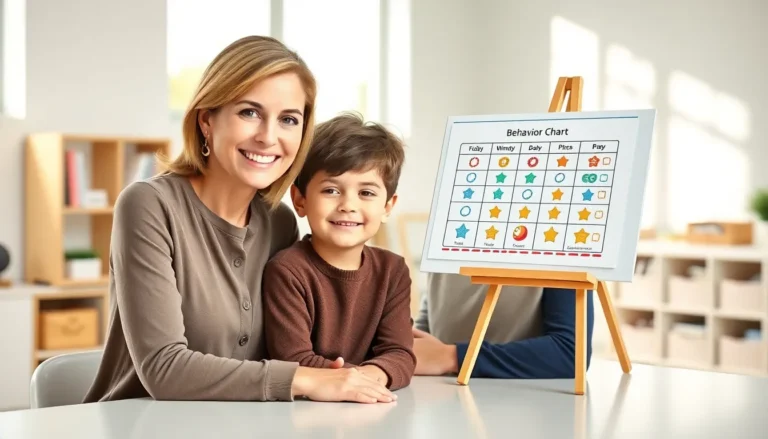
Use immediate reinforcement. Young children need praise right away. A sticker chart for a toddler works best when they earn a sticker immediately after the behavior. Delayed rewards lose their power.
Focus on effort, not outcomes. “You worked really hard on that puzzle” encourages persistence. “You’re so smart” can actually backfire, children may avoid challenges to protect their “smart” label.
Create reward systems thoughtfully. Token economies and sticker charts work for some children. Keep rewards simple and achievable. A child who needs 50 stickers for a prize will give up. Five stickers for a small treat maintains motivation.
Don’t bribe. There’s a difference between “If you stop screaming, I’ll buy you candy” (bribery) and “When you finish your assignments, you can play video games” (earned reward). The first teaches manipulation. The second teaches delayed gratification.
Give attention for good behavior. Many parents ignore their child when things go smoothly and only engage during problems. Flip that pattern. Comment on positive moments. Make good behavior worth repeating.
Effective Communication Techniques for Better Cooperation
How parents talk to children shapes how children respond. The right communication techniques reduce conflict and increase cooperation.
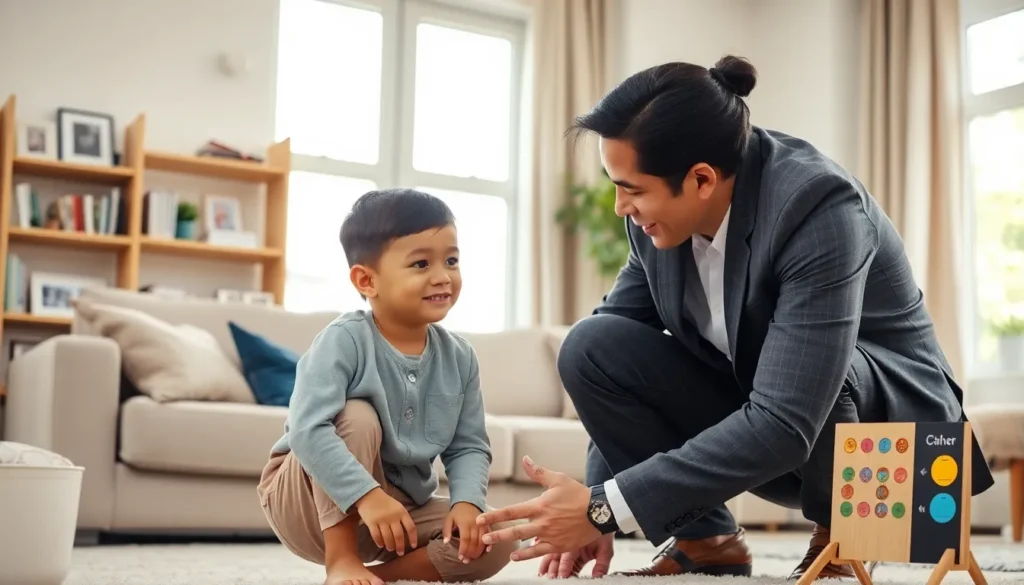
Get on their level. Literally. Crouch down, make eye contact, and speak directly to the child. Commands shouted from across the room get ignored.
Use “I” statements. “I feel frustrated when toys are left on the floor” works better than “You always make a mess.” It reduces defensiveness.
Give choices, not ultimatums. “Do you want to put on your shoes or your coat first?” gives the child some control. “Put on your shoes NOW” invites resistance. Both get the child dressed, but one feels collaborative.
Validate emotions before correcting behavior. “I can see you’re really angry that playtime is over. It’s still time to clean up.” Acknowledging feelings doesn’t mean accepting bad behavior. It just helps the child feel heard.
Use positive phrasing. “Walk, please” works better than “Stop running.” The brain processes positive instructions more easily than negative ones.
Wait for calm. Lectures during a meltdown accomplish nothing. Wait until the storm passes, then discuss what happened. A calm conversation teaches: a heated one escalates.
These discipline and behavior tips around communication transform power struggles into problem-solving. Children cooperate more when they feel respected.