Finding discipline and behavior ideas that actually work can feel like searching for a needle in a haystack. Parents, teachers, and caregivers often try method after method, only to see the same issues repeat. The good news? Effective strategies exist, they just require understanding why children act out in the first place. This guide covers practical, research-backed approaches to discipline and behavior management. These ideas focus on connection, consistency, and clear communication rather than outdated punishment models.
Table of Contents
ToggleKey Takeaways
- Effective discipline and behavior ideas focus on understanding why children misbehave—often due to unmet needs, developmental stages, or skill gaps.
- Positive reinforcement outperforms punishment; specific, immediate praise motivates children to repeat good behavior.
- Clear, age-appropriate boundaries with explained reasons lead to better cooperation than vague rules like “be good.”
- Use natural and logical consequences that teach lessons rather than punishments designed to make children suffer.
- Consistent routines reduce uncertainty and misbehavior by helping children know what to expect throughout the day.
- The best discipline and behavior ideas require patience and consistency—lasting change happens over time, not overnight.
Understanding the Root Causes of Misbehavior
Children rarely misbehave without reason. Their actions often signal unmet needs, hunger, tiredness, frustration, or a desire for attention. Before addressing behavior, adults should ask: What is this child trying to communicate?
Common triggers include:
- Developmental stages: A two-year-old saying “no” is practicing autonomy. A teenager pushing boundaries is seeking independence.
- Environmental factors: Loud, chaotic spaces can overwhelm children. So can major life changes like moving or divorce.
- Skill gaps: Some children act out because they lack words to express feelings or tools to manage emotions.
When adults identify the root cause, discipline and behavior ideas become more targeted. A hungry child needs food, not a lecture. An overstimulated child needs quiet time, not a time-out in a busy room.
Dr. Ross Greene, a clinical psychologist, emphasizes that “kids do well if they can.” Misbehavior often points to a lagging skill rather than willful defiance. This shift in thinking changes everything about how caregivers respond.
Positive Reinforcement Strategies
Positive reinforcement works. Studies consistently show that rewarding good behavior produces better long-term results than punishing bad behavior. The brain responds to encouragement by releasing dopamine, which motivates children to repeat positive actions.
Effective positive reinforcement includes:
- Specific praise: Instead of “good job,” try “You put your shoes on by yourself, that was helpful.” Specific feedback teaches children exactly what they did right.
- Immediate recognition: The closer the praise to the action, the stronger the connection.
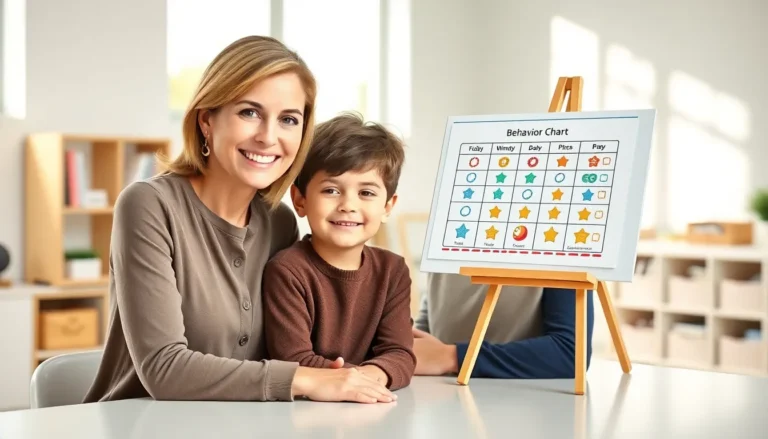
- Reward systems: Sticker charts and token economies work well for younger children. Older kids might respond to privileges like extra screen time.
One common mistake? Over-praising. When everything gets a “great job,” praise loses meaning. Reserve enthusiastic recognition for genuine effort or achievement.
Another key point: positive reinforcement doesn’t mean ignoring problems. It means paying more attention to what’s going right. Many discipline and behavior ideas fail because adults focus 90% of their energy on misbehavior and 10% on cooperation. Flip that ratio, and behavior often improves on its own.
Setting Clear Boundaries and Expectations
Children thrive with structure. They need to know what’s expected before they can meet those expectations. Vague rules like “be good” set everyone up for failure. Clear boundaries do the opposite.
Strong boundaries share three traits:
- They’re specific: “Keep your hands to yourself” beats “be nice.”
- They’re age-appropriate: A preschooler can follow three rules. A ten-year-old can handle more.
- They’re consistently enforced: Rules that apply sometimes confuse children.
When introducing boundaries, explain the “why” behind them. “We use walking feet inside because running can hurt someone” makes more sense than “because I said so.” Children who understand reasons cooperate more willingly.
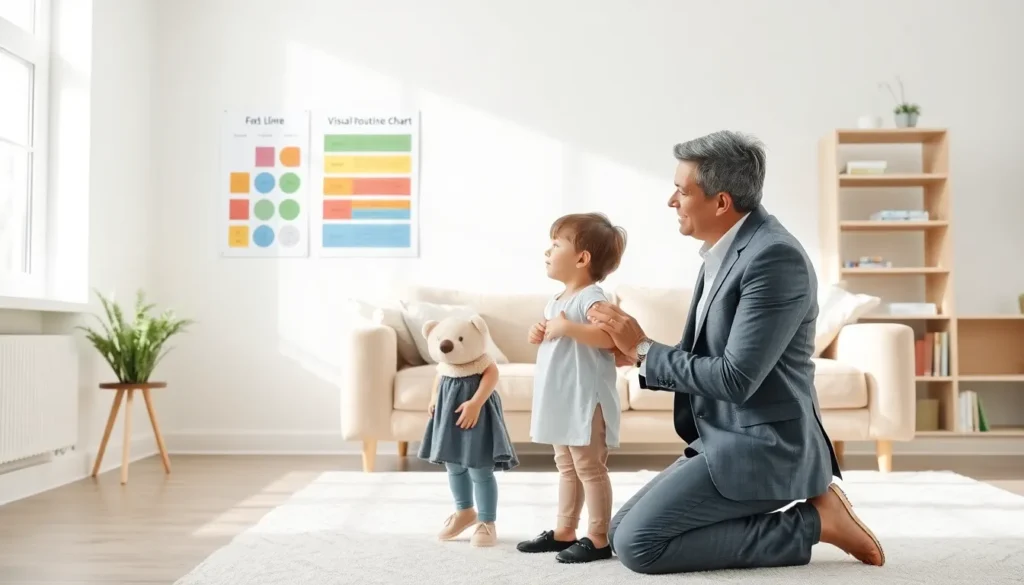
Visual aids help younger kids remember expectations. A chart showing morning routine steps or classroom rules provides constant reminders without nagging.
Boundaries also need flexibility. A child having a rough day might need extra grace. Rigidity breeds resentment: reasonable adjustment builds trust. The best discipline and behavior ideas balance firmness with compassion.
Effective Consequences Without Punishment
Consequences and punishment aren’t the same thing. Punishment focuses on making children suffer for mistakes. Consequences focus on teaching lessons.
Natural consequences let reality do the teaching. A child who refuses a jacket feels cold. One who doesn’t finish assignments faces a lower grade. Adults don’t need to add extra discomfort, life provides it.
Logical consequences connect directly to the misbehavior. A child who throws a toy loses access to that toy. A teenager who breaks curfew has an earlier curfew next weekend. The connection makes sense to the child.
Effective consequences share these features:
- Related to the behavior: Taking away dessert for not cleaning a room doesn’t teach anything about cleaning.
- Respectful: Shaming or yelling undermines the lesson.
- Reasonable: Extreme consequences create fear, not learning.
Time-outs can work, but only when used correctly. They should be brief (one minute per year of age), calm, and followed by discussion. A time-out that feels like banishment damages the relationship. A time-out framed as a “calm-down break” builds emotional regulation skills.
These discipline and behavior ideas prioritize teaching over control. The goal isn’t a child who fears adults. It’s a child who understands cause and effect.
Building Consistent Routines for Better Behavior
Routines reduce misbehavior because they reduce uncertainty. Children who know what comes next feel safer. That security translates to better cooperation.
Morning and bedtime routines deserve special attention. These transitions are common battlegrounds. A predictable sequence, wake up, get dressed, eat breakfast, brush teeth, eliminates daily negotiations. Children stop asking “what now?” and start moving through steps automatically.
Tips for building effective routines:
- Involve children in creation: Kids follow rules they helped make.
- Use visual schedules: Pictures work for non-readers.
- Start small: Master one routine before adding another.
- Stay flexible: Weekends and holidays can have different patterns.
Consistency extends beyond routines. How adults respond to behavior matters too. If whining sometimes works, children will keep whining. If hitting always results in removal from play, that lesson sticks.
Partners and caregivers should align their approaches. When mom says yes and dad says no, children learn to play adults against each other. Regular communication prevents this.
The most effective discipline and behavior ideas share one trait: they’re used consistently over time. Quick fixes rarely exist. Lasting change requires patience, repetition, and a willingness to adjust strategies when something isn’t working. Children learn through experience, and experience takes time.