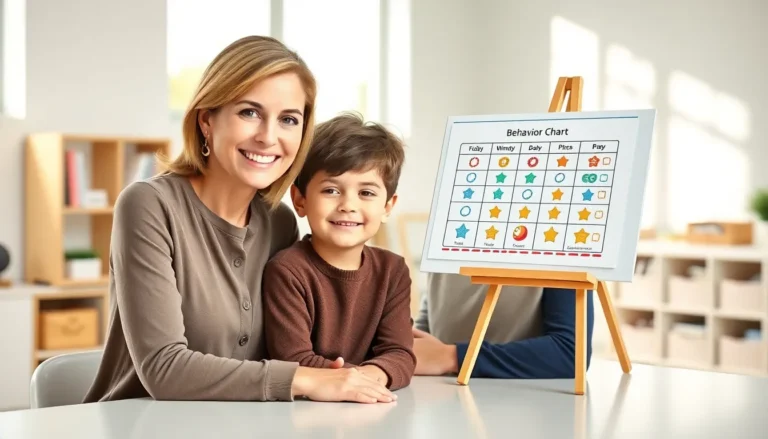

A discipline and behavior guide helps parents, teachers, and caregivers shape children’s actions through consistent, positive methods. Many adults confuse discipline with punishment. They’re not the same thing. Discipline teaches. Punishment reacts. This guide covers practical strategies that encourage long-term behavioral change without damaging relationships or self-esteem. Whether managing a toddler’s tantrums or a teenager’s defiance, these approaches work across ages and settings.
Table of Contents
ToggleKey Takeaways
- Discipline teaches children better choices, while punishment only reacts—an effective discipline and behavior guide focuses on instruction, not fear.
- Consistency is the most important factor in behavior management; enforcing rules the same way every time helps children understand boundaries.
- Age-appropriate strategies matter—redirect toddlers, offer preschoolers choices, use problem-solving with school-age kids, and collaborate with teens.
- Focus on the behavior, not the child, by addressing actions like “hitting was wrong” rather than labeling the child as “bad.”
- Reinforcing positive behavior through specific praise is more effective at encouraging good habits than punishment is at stopping bad ones.
- Strong relationships and predictable routines form the foundation of long-term behavioral success and self-discipline.
Understanding the Difference Between Discipline and Punishment
The first step in any discipline and behavior guide is understanding what discipline actually means. The word comes from the Latin “disciplina,” meaning instruction or teaching. Punishment, on the other hand, focuses on inflicting a penalty for wrongdoing.
Discipline aims to teach children why certain behaviors are wrong and how to make better choices. It builds problem-solving skills and self-control. Punishment aims to stop behavior through fear or discomfort. It rarely teaches alternative actions.
Here’s the key difference:
- Discipline asks: “What can this child learn?”
- Punishment asks: “How can I make this child suffer consequences?”
Research from the American Academy of Pediatrics shows that harsh punishment, including spanking, increases aggression and behavioral problems over time. Children who receive consistent, teaching-focused discipline develop better emotional regulation and social skills.
This doesn’t mean consequences disappear. Effective discipline and behavior guide strategies include logical consequences that connect directly to the misbehavior. A child who throws toys loses access to those toys. A teen who misses curfew loses weekend privileges. The consequence makes sense and teaches responsibility.
Parents and educators who shift from punishment to discipline often report calmer households and classrooms. Children respond better because they understand expectations rather than simply fearing reactions.
Core Principles of Effective Discipline
Every effective discipline and behavior guide shares common principles. These foundations apply whether someone is parenting a four-year-old or managing a classroom of teenagers.
Consistency Matters Most
Children test boundaries. That’s their job. Adults must respond the same way each time a rule gets broken. Inconsistent enforcement confuses children and increases misbehavior. If hitting results in a time-out on Monday but gets ignored on Tuesday, the child learns nothing.
Set Clear Expectations
Vague rules create problems. “Be good” means different things to different people. Specific expectations work better: “Keep your hands to yourself,” “Use an indoor voice,” or “Complete assignments before screen time.” Children can follow rules they understand.
Stay Calm During Correction
Yelling escalates situations. It also teaches children that losing control is acceptable when frustrated. Adults who model calm responses during conflict teach emotional regulation through example. This doesn’t mean being passive, it means being firm without being aggressive.
Focus on the Behavior, Not the Child
Saying “You’re a bad kid” damages self-esteem. Saying “Hitting your sister was wrong” addresses the action. This discipline and behavior guide principle preserves the relationship while correcting the problem. Children need to know they’re loved even when their behavior isn’t acceptable.
Reinforce Positive Behavior
Catching children doing something right matters as much as correcting wrong behavior. Praise specific actions: “I noticed you shared your crayons. That was kind.” Positive reinforcement encourages repetition of good behavior more effectively than punishment discourages bad behavior.
Age-Appropriate Behavior Management Techniques
A practical discipline and behavior guide recognizes that strategies must match developmental stages. What works for a toddler won’t work for a teenager.
Toddlers (Ages 1-3)
Toddlers lack impulse control. Their brains simply haven’t developed that capacity yet. Effective techniques include:
- Redirection: Shift attention from forbidden activities to acceptable ones
- Simple language: Use short phrases like “Gentle hands” or “Hot. Don’t touch”
- Childproofing: Remove temptations rather than constantly saying “no”
- Brief time-outs: One minute per year of age, used sparingly
Preschoolers (Ages 3-5)
Preschoolers understand more language and can begin learning cause and effect. Try:
- Offering choices: “Would you like to clean up now or in five minutes?”
- Natural consequences: Refusing to eat lunch means feeling hungry later
- Visual schedules: Pictures help children understand routines and expectations
- Emotion coaching: Help children name and express feelings appropriately
School-Age Children (Ages 6-12)
This discipline and behavior guide stage involves reasoning and responsibility. Strategies include:
- Problem-solving conversations: Ask, “What could you do differently next time?”
- Privilege-based consequences: Connect behavior to earned privileges
- Written contracts: Agreements about expectations and consequences
- Increased autonomy: Give age-appropriate responsibilities
Teenagers (Ages 13-18)
Teens need respect and growing independence. Effective approaches:
- Collaborative rule-setting: Involve teens in creating household guidelines
- Logical discussions: Explain the reasoning behind rules
- Natural consequences: Allow safe failures as learning experiences
- Privacy respect: Pick battles carefully and avoid power struggles
Building Long-Term Behavioral Success
Short-term compliance isn’t the goal of any discipline and behavior guide. The real aim is developing self-disciplined adults who make good choices independently.
Strengthen the Relationship First
Children who feel connected to adults want to please them. Spending quality time, showing interest in their lives, and maintaining open communication builds this foundation. Discipline works better when it happens within a caring relationship.
Teach Problem-Solving Skills
Instead of always providing solutions, ask guiding questions. “What happened? How did that make you feel? What could solve this problem?” These conversations build critical thinking and reduce future conflicts.
Model the Behavior You Want
Children learn more from watching than listening. Adults who handle frustration calmly, apologize for mistakes, and treat others respectfully teach these skills through daily actions. This discipline and behavior guide principle reminds caregivers that they’re always teaching, whether they intend to or not.
Create Routines and Structure
Predictable environments reduce behavioral problems. When children know what to expect, they feel secure. Morning routines, assignments times, and bedtime rituals provide this structure.
Seek Support When Needed
Some behavioral challenges require professional help. Persistent aggression, extreme defiance, or sudden behavioral changes may signal underlying issues. Consulting pediatricians, school counselors, or child psychologists isn’t failure, it’s responsible parenting.