Discipline and behavior examples show how consistent guidance shapes better habits. Parents, teachers, and individuals use these strategies to encourage positive change without relying on fear or control. This article covers practical discipline methods that work across different settings, from home to classroom to personal development. Each approach focuses on teaching responsibility rather than simply punishing mistakes. The goal is clear: build skills that last a lifetime.
Table of Contents
ToggleKey Takeaways
- Discipline teaches better choices for the future, while punishment only focuses on making someone suffer for mistakes.
- Effective discipline and behavior examples include logical consequences, problem-solving conversations, and repair-focused responses.
- Positive discipline for children emphasizes connection before correction through strategies like redirection, time-ins, and offering choices within limits.
- Classroom discipline works best when teachers build genuine relationships and use techniques like proximity control, private conversations, and restorative practices.
- Self-discipline examples for personal growth include morning routines, time blocking, environment design, and practicing self-compassion after setbacks.
- Consistency is essential—practicing a few discipline strategies until they become automatic produces lasting behavioral change.
Understanding the Difference Between Discipline and Punishment
Discipline and punishment often get confused, but they serve different purposes. Punishment focuses on making someone suffer for a mistake. Discipline teaches better choices for the future.
Here’s the key distinction: punishment asks, “How can I make this person pay?” Discipline asks, “How can I help this person learn?”
Punishment typically involves removing privileges, yelling, or physical consequences. These methods might stop a behavior temporarily, but they rarely create lasting change. Children who experience punishment-based approaches often become sneakier rather than more responsible.
Discipline and behavior examples that work look different. They include:
- Logical consequences: A child who breaks a toy doesn’t get a replacement immediately. They learn to handle belongings with care.
- Problem-solving conversations: Instead of sending a child to their room, parents discuss what went wrong and brainstorm solutions together.
- Repair-focused responses: When someone hurts a sibling, they help comfort that sibling rather than sitting in isolation.
Research supports this approach. Studies show that children raised with positive discipline develop better emotional regulation and stronger decision-making skills. They also maintain healthier relationships with their parents.
The shift from punishment to discipline requires patience. Parents and educators must change their mindset from “controlling behavior” to “teaching skills.” This change feels uncomfortable at first, but the results speak for themselves.
Positive Discipline Examples for Children
Positive discipline examples for children emphasize connection before correction. When kids feel understood, they’re more willing to cooperate.
Natural Consequences
Let reality do the teaching. A child who refuses to wear a coat feels cold outside. A teenager who doesn’t do laundry runs out of clean clothes. These experiences create learning opportunities without parental lectures.
Redirection
Young children respond well to redirection. Instead of saying “Don’t throw the ball inside,” try “Let’s take the ball outside where there’s more room.” This approach guides behavior without creating a power struggle.
Choices Within Limits
Giving children choices builds autonomy while maintaining boundaries. “Would you like to brush your teeth before or after putting on pajamas?” Both options lead to the same outcome, but the child feels empowered.
Time-In Instead of Time-Out
Traditional time-outs isolate children when they need connection most. Time-ins keep the child close while emotions settle. A parent might say, “I can see you’re upset. Let’s sit together until you feel ready to try again.”
Family Meetings
Weekly family meetings give everyone a voice. Children help create rules and solve problems. This participation increases their investment in following agreements.
These discipline and behavior examples require consistency. Parents who use positive discipline one day and resort to yelling the next confuse their children. Pick two or three strategies and practice them until they become automatic.
Managing Challenging Behaviors in the Classroom
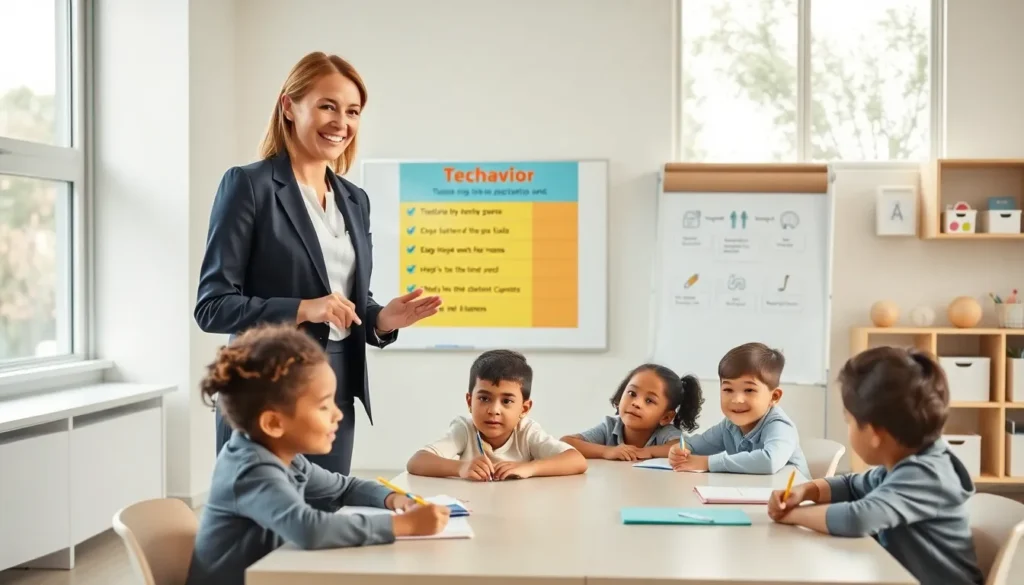
Classroom management presents unique challenges. Teachers work with diverse students, each bringing different backgrounds and needs. Effective discipline and behavior examples in educational settings focus on prevention and relationship-building.
Clear Expectations
Successful teachers establish expectations on day one. They post classroom rules visibly and reference them often. Students perform better when they know exactly what’s expected.
Proximity Control
Sometimes a teacher’s physical presence is enough. Walking toward a distracted student often redirects attention without verbal correction. This method preserves the student’s dignity while addressing the behavior.
Positive Reinforcement
Catching students doing the right thing matters. Public praise for on-task behavior encourages others to follow suit. “I notice Table 3 has their materials ready” motivates nearby groups more effectively than scolding those who don’t.
Private Conversations
When correction is necessary, wise teachers handle it privately. Pulling a student aside protects their reputation and allows honest conversation. These moments often reveal underlying issues, hunger, trouble at home, or learning difficulties.
Restorative Practices
Schools increasingly use restorative circles to address conflicts. Students who cause harm meet with those affected. Together, they discuss the impact and agree on steps to make things right. Research shows these approaches reduce suspensions and improve school climate.
Consistent Routines
Predictability reduces anxiety and misbehavior. When students know what comes next, they transition more smoothly. Teachers who use signals for attention-getting (like countdown timers or chimes) create calmer classrooms.
These discipline and behavior examples work best when teachers build genuine relationships with students. Kids behave better for adults they trust and respect.
Self-Discipline Examples for Personal Growth
Self-discipline separates goals from achievements. Anyone can dream about a better life. Those with self-discipline actually build one.
Morning Routines
Successful people often credit morning routines for their productivity. Waking at the same time, exercising, and planning the day creates momentum. These discipline and behavior examples compound over time.
Time Blocking
Instead of reacting to whatever demands attention, self-disciplined individuals schedule their priorities. They dedicate specific hours to deep work and protect that time fiercely.
The Two-Minute Rule
If a task takes less than two minutes, do it immediately. This principle prevents small tasks from piling up and overwhelming the day.
Environment Design
Smart people don’t rely on willpower alone. They design environments that make good choices easy. Want to eat healthier? Don’t keep junk food at home. Want to read more? Place books by the bed instead of a phone.
Accountability Partners
Sharing goals with others increases follow-through. An accountability partner provides encouragement when motivation fades. Some people join groups or hire coaches for this purpose.
Tracking Progress
What gets measured gets managed. Tracking habits on a calendar or app creates visual evidence of progress. A long streak motivates continued effort.
Self-Compassion After Setbacks
Perfection isn’t the goal. Self-disciplined people forgive themselves after mistakes and resume their habits. They understand that one bad day doesn’t erase months of effort.
These discipline and behavior examples apply to any goal, fitness, finances, career, or relationships. The common thread is intentional action repeated over time.