Child development tools help parents and caregivers track, support, and encourage growth during the early years. These resources range from simple toys to digital apps, each designed with specific developmental goals in mind.
Children grow at different rates. Some walk early. Others talk first. The right tools can help identify where a child excels and where they might need extra support. They also make learning feel like play, which, for young children, is exactly how it should be.
This guide covers the most effective child development tools available today. It explains what milestones to watch for, which tools work best for different skills, and how to weave these resources into everyday life without overwhelming anyone in the process.
Table of Contents
ToggleKey Takeaways
- Child development tools help parents track milestones across four key areas: physical, cognitive, language, and social-emotional growth.
- The most effective tools combine learning with play, using items like puzzles, building blocks, and books to engage children naturally.
- Choose child development tools based on your child’s current abilities, genuine interests, and safety—not just age recommendations.
- Open-ended toys like blocks and art supplies offer more developmental value than single-purpose items because children can use them in multiple ways.
- Integrate tools into daily routines by building learning into bath time, cooking, and other everyday activities for consistent, low-pressure practice.
- Limit screen-based tools for young children and prioritize physical, hands-on interaction to drive early development.
Understanding Child Development Milestones
Child development milestones are specific skills children typically acquire by certain ages. They fall into four main categories: physical, cognitive, language, and social-emotional.
Physical milestones include rolling over, crawling, walking, and running. Most babies roll over by 4 to 6 months. Walking usually happens between 9 and 12 months. These benchmarks help pediatricians and parents spot potential delays early.
Cognitive milestones cover thinking, learning, and problem-solving. A 6-month-old might recognize familiar faces. A 2-year-old can sort shapes by color. These skills build on each other over time.
Language milestones track communication growth. Babies babble around 4 months. First words often appear near the first birthday. By age 2, many children speak in two-word phrases.
Social-emotional milestones measure how children interact with others and manage feelings. Smiling at caregivers, showing preference for certain people, and expressing frustration all fall into this category.
Child development tools work best when parents understand these milestones. Knowing what to expect helps caregivers select appropriate resources and set realistic goals. It also reduces unnecessary worry, because not every child hits every milestone on the exact same timeline.
Types of Child Development Tools
Child development tools come in many forms. Some focus on physical growth. Others target cognitive or language skills. The best approach uses a mix of both.
Physical and Motor Skill Tools
Physical development tools strengthen muscles and improve coordination. They help children master both gross motor skills (large movements) and fine motor skills (small, precise movements).
Gross motor tools include:
- Balance boards and wobble cushions – These improve core strength and stability
- Ride-on toys and tricycles – They build leg strength and coordination
- Climbing structures – Indoor and outdoor options develop spatial awareness
- Balls of various sizes – Throwing, catching, and kicking all build different muscle groups
Fine motor tools target hand-eye coordination and finger dexterity:
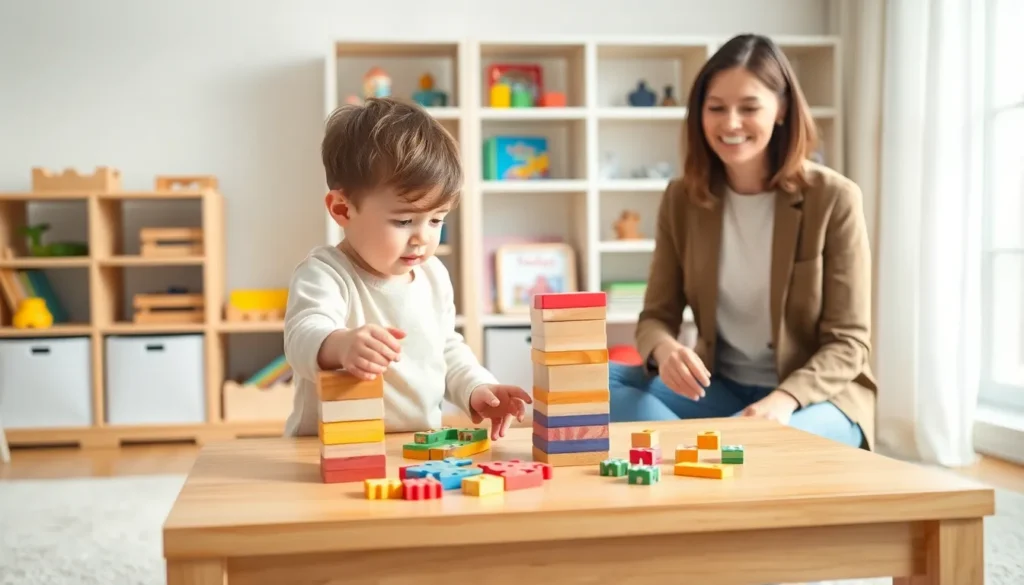
- Stacking blocks and nesting cups – Classic tools that never go out of style
- Play dough and clay – Squeezing, rolling, and shaping strengthen hand muscles
- Threading beads and lacing cards – Perfect for developing pincer grasp
- Child-safe scissors and crayons – Early practice for writing skills
These child development tools turn exercise into entertainment. Kids don’t realize they’re building strength, they just think they’re having fun.
Cognitive and Language Development Tools
Cognitive tools sharpen thinking skills. Language tools expand vocabulary and communication ability. Many resources do both at once.
Puzzles rank among the most effective cognitive development tools. Simple wooden puzzles work for toddlers. Jigsaw puzzles with more pieces challenge older children. They teach pattern recognition, spatial reasoning, and persistence.
Building sets like LEGO or magnetic tiles encourage creative thinking and problem-solving. Children plan, test ideas, and adapt when things don’t work.
Books remain the gold standard for language development. Board books for babies. Picture books for toddlers. Chapter books for older kids. Reading aloud builds vocabulary faster than almost any other activity.
Flashcards and matching games teach letters, numbers, and new words. Digital apps can supplement these tools, though screen time should stay limited for young children.
Musical instruments, even simple ones like tambourines or xylophones, support both cognitive and language growth. Rhythm and melody activate multiple brain regions simultaneously.
How to Choose the Right Tools for Your Child
Selecting child development tools requires attention to age, interests, and individual needs. Not every tool works for every child.
Consider the child’s current abilities. A tool that’s too advanced frustrates. One that’s too simple bores. Look for items that offer a slight challenge, enough to promote growth without causing discouragement.
Watch for genuine interest. A child fascinated by animals will engage more with animal-themed puzzles than abstract shapes. Building on existing interests keeps motivation high.
Check age recommendations, but use judgment. Manufacturers provide guidelines, but they don’t know your specific child. Some 3-year-olds handle puzzles meant for 4-year-olds. Some need more time with simpler versions.
Prioritize open-ended toys. Blocks, art supplies, and imaginative play items offer more developmental value than toys with single purposes. Children can use them in multiple ways as their skills grow.
Don’t overlook everyday objects. Measuring cups teach size concepts. Cardboard boxes become cars, houses, or rockets. Effective child development tools don’t always come from the toy store.
Safety comes first. Check for small parts, sharp edges, and toxic materials. Young children put everything in their mouths.
Parents don’t need to buy everything at once. Starting with a few quality child development tools and rotating them keeps things fresh. Children often rediscover old favorites with new abilities.
Integrating Development Tools Into Daily Routines
The best child development tools won’t help if they sit unused in a closet. Integration into daily life makes the difference.
Create accessible play spaces. Keep toys at child height. When kids can reach their own materials, they play more independently. Rotate items every few weeks to maintain interest.
Build learning into existing activities. Bath time becomes water play with cups and funnels. Cooking involves measuring and counting. Laundry turns into a color-sorting game. These moments don’t add tasks, they add purpose to tasks already happening.
Set consistent play times. Even 15 to 20 minutes of focused, distraction-free play with child development tools makes an impact. Quality matters more than quantity.
Follow the child’s lead. If they want to stack blocks instead of sort them, let it happen. Forcing specific uses kills enthusiasm. Development happens through exploration, not instruction.
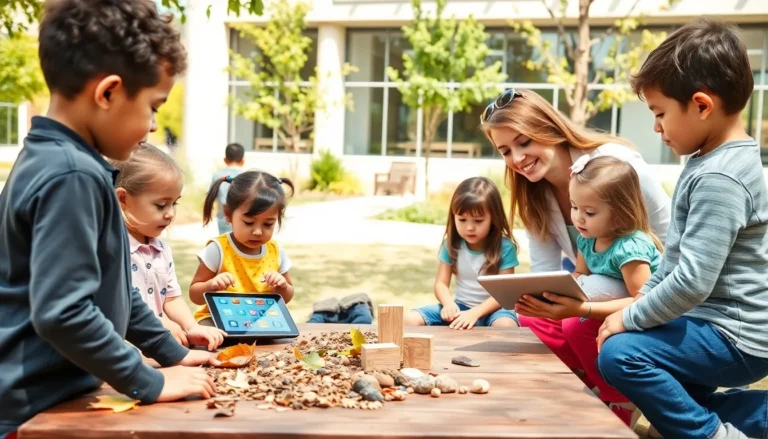
Limit screen-based tools. Digital apps have their place, but physical interaction drives early development. The American Academy of Pediatrics recommends minimal screen time for children under 2 and no more than one hour daily for ages 2 to 5.
Include siblings and friends when possible. Social interaction during play builds emotional skills alongside cognitive ones. Taking turns, sharing materials, and collaborative building all strengthen social development.
Consistency beats intensity. Small, regular exposure to child development tools produces better results than occasional marathon sessions.