Every parent wants to give their child the best start in life. Child development tips can help caregivers understand what children need at different ages and how to provide meaningful support. From infancy through adolescence, kids go through distinct stages that shape their physical, emotional, and cognitive abilities.
The good news? Small, consistent actions make a big difference. Parents don’t need expensive programs or special training to help their children thrive. They need awareness, patience, and practical strategies that fit into everyday life. This guide breaks down essential child development tips across five key areas, developmental stages, environment, social-emotional skills, cognitive growth, and physical activity.
Table of Contents
ToggleKey Takeaways
- Understanding child development stages—from infancy through adolescence—helps parents set realistic expectations and provide appropriate support.
- Creating a safe, stimulating environment with age-appropriate toys, routines, and limited screen time encourages exploration and brain development.
- Labeling emotions, modeling calm behavior, and praising effort over outcome builds lasting social-emotional skills in children.
- Daily activities like reading aloud, asking questions, and playing strategy games significantly boost cognitive and language development.
- Children need consistent physical activity—60 minutes daily for school-age kids—to support motor skills, emotional regulation, and overall health.
- The most effective child development tips focus on small, consistent actions that fit into everyday life rather than expensive programs or special training.
Understanding the Key Stages of Child Development
Child development happens in predictable stages, though every child moves through them at their own pace. Understanding these stages helps parents set realistic expectations and recognize when extra support might be needed.
Infancy (0–12 months): Babies develop trust through consistent care. They learn to recognize faces, respond to voices, and build attachment with caregivers. Motor skills progress from lifting the head to crawling.
Toddlerhood (1–3 years): This stage brings rapid language growth and increased independence. Toddlers test boundaries, develop preferences, and start basic problem-solving. Tantrums are normal, they’re learning to manage big emotions with a small vocabulary.
Preschool (3–5 years): Imagination takes center stage. Children engage in pretend play, ask endless questions, and start forming friendships. Fine motor skills improve, allowing them to draw, cut with scissors, and dress themselves.
School age (6–12 years): Kids develop logical thinking and stronger peer relationships. They gain confidence through achievements in school, sports, or hobbies. Self-esteem becomes increasingly tied to social acceptance.
Adolescence (12+ years): Identity formation dominates this stage. Teens seek autonomy while still needing guidance. Brain development continues into the mid-20s, which explains why impulse control remains a work in progress.
One of the most valuable child development tips is simply this: know what’s typical for each stage so you can respond appropriately.
Creating a Nurturing and Stimulating Environment
A child’s environment directly impacts brain development. Safe, stimulating spaces encourage exploration and learning.
Start with safety. Childproof homes by covering outlets, securing furniture, and removing choking hazards. When children feel safe, they explore more freely, and exploration drives development.
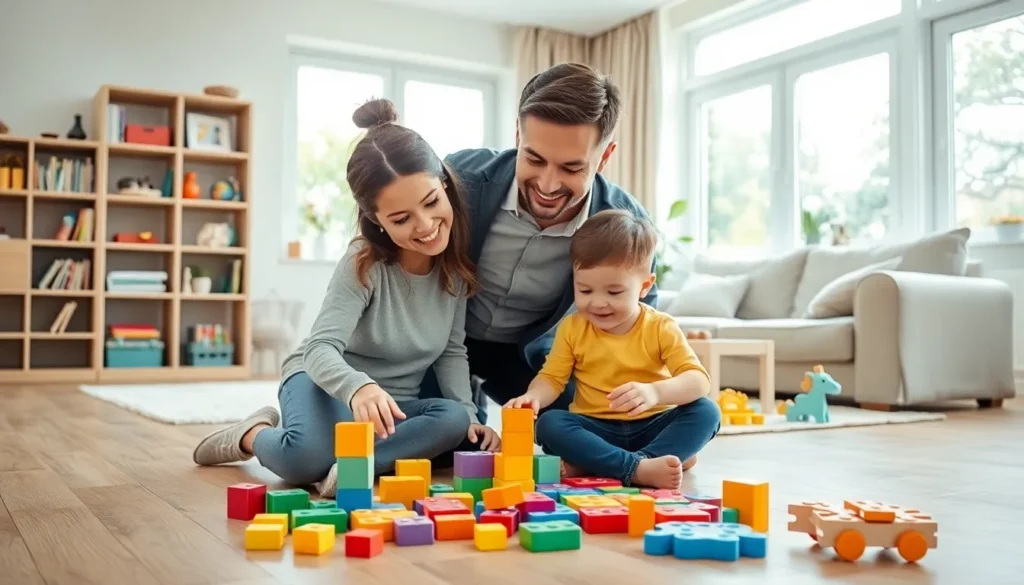
Provide age-appropriate toys and materials. Infants benefit from high-contrast images and textured objects. Toddlers need building blocks, puzzles, and art supplies. Older kids thrive with books, science kits, and creative tools.
Limit screen time, especially for young children. The American Academy of Pediatrics recommends no screen time for children under 18 months (except video calls) and limited, high-quality content for ages 2–5. Passive screen time doesn’t build skills the way hands-on play does.
Create routines. Predictable schedules for meals, play, and sleep reduce anxiety and help children feel secure. Routines also teach time management and self-regulation.
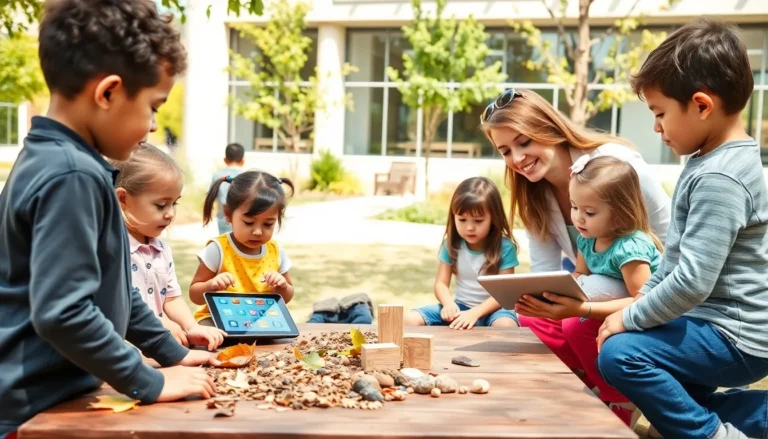
Don’t overlook outdoor time. Nature exposure improves attention, reduces stress, and promotes physical health. Even 30 minutes outside daily makes a measurable difference.
These child development tips about environment aren’t about perfection. A messy living room with engaged parents beats a pristine space where kids are ignored.
Encouraging Healthy Social and Emotional Skills
Emotional intelligence matters as much as academic ability. Children who understand and manage their feelings build stronger relationships and handle stress better throughout life.
Label emotions early and often. When a toddler cries because a block tower fell, say, “You’re frustrated because your tower fell down.” This teaches emotional vocabulary and validates their experience.
Model healthy emotional expression. Children learn more from watching adults than from lectures. If parents yell when stressed, kids will too. Showing calm problem-solving during tough moments teaches valuable lessons.
Teach empathy through everyday moments. Ask questions like, “How do you think your friend felt when that happened?” Reading books with emotional themes also builds perspective-taking skills.
Allow natural consequences when safe. If a child refuses to wear a jacket, they’ll feel cold. These experiences teach cause-and-effect better than repeated warnings.
Encourage play with peers. Social skills develop through practice. Playdates, team sports, and group activities give children opportunities to share, negotiate, and resolve conflicts.
Praise effort over outcome. Saying “You worked really hard on that” builds resilience better than “You’re so smart.” Kids praised for effort try harder after failures: those praised for intelligence often give up.
These child development tips around social-emotional growth pay dividends for decades.
Supporting Cognitive and Language Development
Cognitive and language skills form the foundation for academic success. Parents can boost these abilities through simple daily interactions.
Talk constantly. From birth, narrate activities: “Now we’re putting on your socks. These are blue socks.” Babies absorb language long before they speak. Research shows that children who hear more words develop larger vocabularies.
Read together every day. Reading aloud exposes children to new vocabulary, sentence structures, and ideas. Ask questions about the story to build comprehension. Even 15 minutes daily creates significant advantages.
Encourage questions and curiosity. When kids ask “Why?”, take it seriously. If you don’t know the answer, look it up together. This models lifelong learning.
Play strategy games. Board games, card games, and puzzles build memory, planning, and problem-solving skills. They also teach children how to lose gracefully, an underrated life skill.
Limit correction during conversation. If a toddler says “I goed to the park,” respond with “You went to the park? That sounds fun.” This models correct grammar without discouraging communication.
Provide open-ended materials. Blocks, clay, and art supplies let children create without instructions. This type of play builds creativity and independent thinking.
Connect learning to real life. Cooking teaches math and science. Grocery shopping practices reading and budgeting. These child development tips turn ordinary moments into learning opportunities.
Promoting Physical Activity and Motor Skills
Physical activity builds strong bodies and sharp minds. Movement also helps children regulate emotions and sleep better.
Infants need supervised tummy time daily to build neck and core strength. This simple practice prevents flat spots on the head and prepares babies for crawling.
Toddlers and preschoolers should get at least three hours of physical activity daily, including active play and structured movement. Climbing, running, jumping, and dancing all count.
School-age children need 60 minutes of moderate to vigorous activity daily. Team sports work for some kids, but others prefer swimming, biking, hiking, or martial arts. The best activity is one they’ll actually do.
Develop fine motor skills through hands-on activities. Coloring, cutting, threading beads, and playing with playdough strengthen small muscles needed for writing and self-care tasks.
Make movement fun, not punishment. Avoid using exercise as discipline (“Run laps because you misbehaved”) or withholding activity as consequence. This creates negative associations with physical activity.
Limit prolonged sitting. Break up sedentary time with movement breaks. Even stretching or dancing to one song helps.
Participate alongside children. Kids whose parents are active tend to be active themselves. Family walks, bike rides, or backyard games build habits and relationships.
These child development tips about physical activity support growth in every other domain too, cognitive, emotional, and social.