Child development techniques shape how children learn, grow, and connect with the world around them. Parents and caregivers play a critical role in this process. The right strategies can build confidence, strengthen cognitive skills, and foster emotional health from infancy through adolescence.
This article explores proven child development techniques that support healthy growth at every stage. From positive reinforcement to play-based learning, these methods are backed by research and easy to apply at home. Whether you’re a new parent or a seasoned caregiver, these strategies offer practical ways to help children thrive.
Table of Contents
ToggleKey Takeaways
- Effective child development techniques like positive reinforcement, play-based learning, and emotional coaching support healthy growth from infancy through adolescence.
- Positive reinforcement builds self-esteem and reduces behavioral problems by focusing on encouraging good habits rather than punishing mistakes.
- Play-based learning develops critical skills including language, creativity, problem-solving, and impulse control through free play, pretend play, and constructive activities.
- Building emotional intelligence through naming emotions, active listening, and modeling healthy coping strategies helps children succeed in school and relationships.
- A supportive home environment with consistent routines, safe exploration spaces, and quality family time creates the foundation for all child development techniques to thrive.
Understanding the Stages of Child Development
Child development unfolds in predictable stages. Each stage brings new abilities, behaviors, and learning opportunities. Understanding these stages helps parents apply the right child development techniques at the right time.
Infancy (0–2 Years)
During infancy, children develop basic motor skills, language foundations, and attachment bonds. Responsive caregiving, like holding, talking, and making eye contact, supports brain development during this critical window.
Early Childhood (2–6 Years)
This stage involves rapid language growth, imaginative play, and social awareness. Children begin to assert independence and ask endless questions. Patience and consistent routines help them feel secure.
Middle Childhood (6–12 Years)
Cognitive skills sharpen during middle childhood. Kids develop logical thinking, friendships, and academic abilities. Child development techniques in this phase should encourage problem-solving and self-regulation.
Adolescence (12–18 Years)
Teenagers experience emotional, physical, and social changes. They seek identity and autonomy. Open communication and respectful boundaries become essential tools for parents.
Recognizing where a child falls within these stages allows caregivers to set realistic expectations and choose appropriate support strategies.
Positive Reinforcement and Encouragement
Positive reinforcement ranks among the most effective child development techniques. It strengthens desired behaviors by offering rewards, praise, or recognition.
How Positive Reinforcement Works
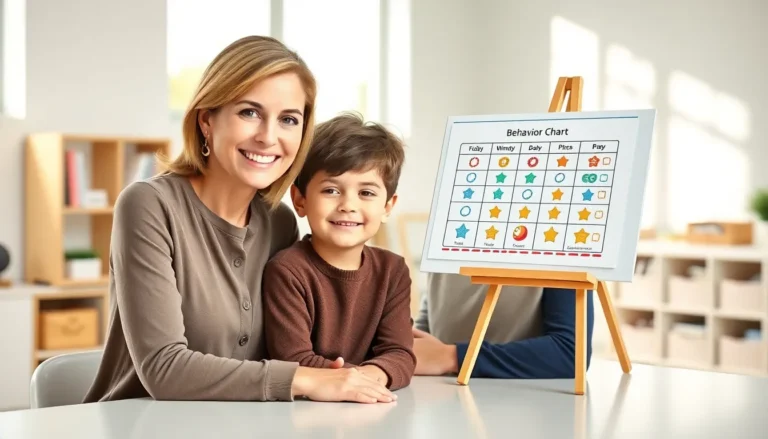
When a child receives positive feedback after a behavior, they’re more likely to repeat it. A simple “Great job sharing your toys.” reinforces cooperation. Stickers, extra playtime, or a high-five can also serve as rewards.
Why It Matters
Research from the American Academy of Pediatrics shows that positive discipline builds self-esteem and reduces behavioral problems. Kids respond better to encouragement than punishment. They learn what to do instead of only what not to do.
Tips for Effective Reinforcement
- Be specific. Say “I love how you cleaned up your crayons” instead of a generic “Good job.”
- Offer praise immediately after the behavior.
- Avoid over-praising. Keep it genuine and tied to real effort.
- Use a mix of verbal praise, physical affection, and small rewards.
Positive reinforcement doesn’t mean ignoring bad behavior. It means focusing energy on building good habits. This approach creates a foundation for healthy emotional development and self-discipline.
Play-Based Learning Approaches
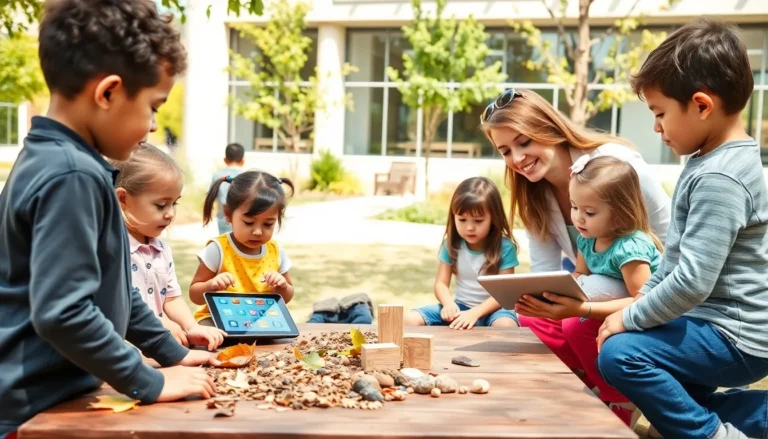
Play is serious business for kids. It’s how they explore, experiment, and make sense of their environment. Play-based learning stands out as one of the most natural child development techniques available.
The Science Behind Play
Studies from Harvard’s Center on the Developing Child confirm that play supports brain architecture. Through play, children develop language, creativity, and executive function skills like focus and impulse control.
Types of Play That Promote Development
- Free play: Unstructured time lets children direct their own activities. It builds imagination and decision-making.
- Pretend play: Role-playing as a doctor, teacher, or superhero helps kids process emotions and social roles.
- Physical play: Running, climbing, and jumping build motor skills and release energy.
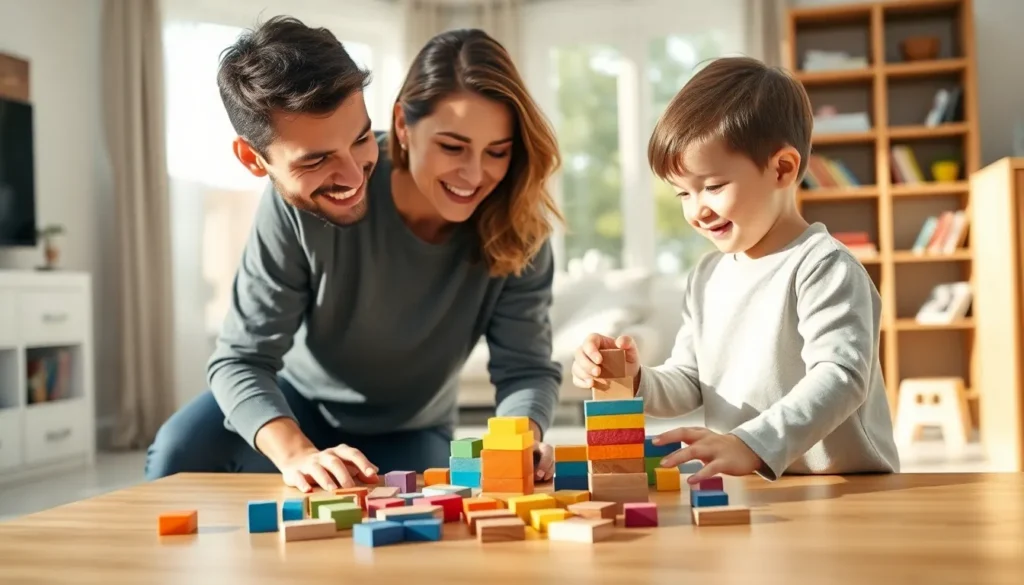
- Constructive play: Building with blocks or Legos sharpens spatial reasoning and problem-solving.
How Parents Can Encourage Play
Set aside daily time for unstructured play. Limit screen time to make room for hands-on activities. Join in sometimes, but also let children lead. Provide open-ended toys like art supplies, building sets, and dress-up clothes.
Play-based learning doesn’t require expensive tools. A cardboard box can become a spaceship. A pile of leaves can turn into a treasure hunt. The key is giving children space to explore and discover.
Building Emotional Intelligence Through Communication
Emotional intelligence (EQ) helps children recognize, understand, and manage their feelings. Strong EQ predicts success in school, relationships, and later life. Communication is the primary tool for building it.
Naming Emotions
Children need words for their feelings. Saying “You seem frustrated because your tower fell” teaches them to label emotions. Over time, they learn to express feelings with words instead of tantrums.
Active Listening
When kids talk, give them full attention. Put down the phone. Make eye contact. Reflect back what they say: “So you felt left out at recess?” This validates their experience and models good communication.
Teaching Problem-Solving
Help children work through conflicts. Ask questions like “What could you do differently next time?” or “How do you think your friend felt?” These conversations build empathy and critical thinking.
Modeling Emotional Regulation
Kids watch how adults handle stress, anger, and disappointment. Parents who pause, take deep breaths, and talk through their feelings demonstrate healthy coping strategies.
Child development techniques focused on emotional intelligence pay long-term dividends. Children with high EQ handle setbacks better, form stronger friendships, and show greater academic motivation.
Creating a Supportive Environment at Home
The home environment shapes child development in powerful ways. A supportive space promotes learning, security, and healthy habits.
Establishing Routines
Predictable schedules help children feel safe. Regular times for meals, assignments, and sleep reduce anxiety and improve behavior. Routines also teach time management skills.
Providing a Safe Space for Exploration
Childproof areas where kids can explore freely. Stock shelves with age-appropriate books, puzzles, and creative materials. Remove hazards but allow room for safe risk-taking, like climbing a sturdy play structure.
Encouraging Independence
Let children do tasks they’re capable of handling. A three-year-old can help set the table. A seven-year-old can pack their own lunch. These responsibilities build competence and self-worth.
Limiting Stress and Conflict
High levels of household stress harm development. Arguing in front of children increases their anxiety. When possible, resolve conflicts privately and maintain a calm atmosphere.
Spending Quality Time Together
Connection matters more than perfection. Reading together, cooking a meal, or going for a walk strengthens bonds. These moments don’t need to be elaborate, consistency counts more than grand gestures.
Child development techniques work best in environments where children feel valued, heard, and secure. The home is the first classroom, and parents are the first teachers.