Child development strategies shape how children learn, grow, and connect with the world around them. Every parent, caregiver, and educator wants to give children the best possible start. The good news? Science offers clear guidance on what works.
Children develop at their own pace, but certain approaches consistently support healthy growth. From birth through adolescence, kids need specific types of stimulation, encouragement, and structure. Understanding these needs helps adults make informed decisions about education, play, and daily interactions.
This guide explores proven child development strategies that promote cognitive, emotional, and social growth. It covers developmental stages, the power of play, and practical ways to create supportive environments. These strategies don’t require expensive programs or special training, just awareness and intentional effort.
Table of Contents
ToggleKey Takeaways
- Effective child development strategies should be matched to a child’s current developmental stage for maximum impact.
- Daily reading for just 15 minutes builds vocabulary, attention spans, and strengthens parent-child bonds.
- Play-based learning produces better cognitive outcomes than drill-based approaches, developing creativity and executive function skills.
- Praising effort over results helps children develop a growth mindset and embrace challenges.
- Consistent routines and a calm home environment reduce anxiety and create conditions where children thrive.
- Social skills require regular practice through peer interaction, with adults modeling appropriate behavior.
Understanding the Stages of Child Development
Child development strategies work best when matched to a child’s current stage. Development happens in predictable phases, though individual children may move through them at different speeds.
Infancy (0-12 months) focuses on sensory exploration and attachment. Babies learn to trust caregivers and begin understanding cause and effect. Responsive care during this stage builds the foundation for all future learning.
Toddlerhood (1-3 years) brings rapid language development and growing independence. Children start testing boundaries and expressing preferences. Child development strategies during this phase should balance freedom with consistent limits.
Preschool years (3-5 years) see imagination flourish. Kids engage in pretend play, ask endless questions, and develop early literacy skills. This stage rewards curiosity and creative exploration.
School age (6-12 years) shifts focus to academic learning and peer relationships. Children develop logical thinking and stronger self-regulation. Effective child development strategies now include supporting assignments habits and social problem-solving.
Adolescence (12-18 years) involves identity formation and abstract thinking. Teens need increasing autonomy while maintaining connection to supportive adults.
Recognizing these stages helps parents and educators choose age-appropriate activities. A strategy that works brilliantly for a four-year-old may frustrate an eight-year-old. Meeting children where they are, developmentally speaking, maximizes growth opportunities.
Encouraging Cognitive and Emotional Growth
Cognitive and emotional development intertwine closely. A child who feels safe and supported learns more effectively than one who feels anxious or dismissed.
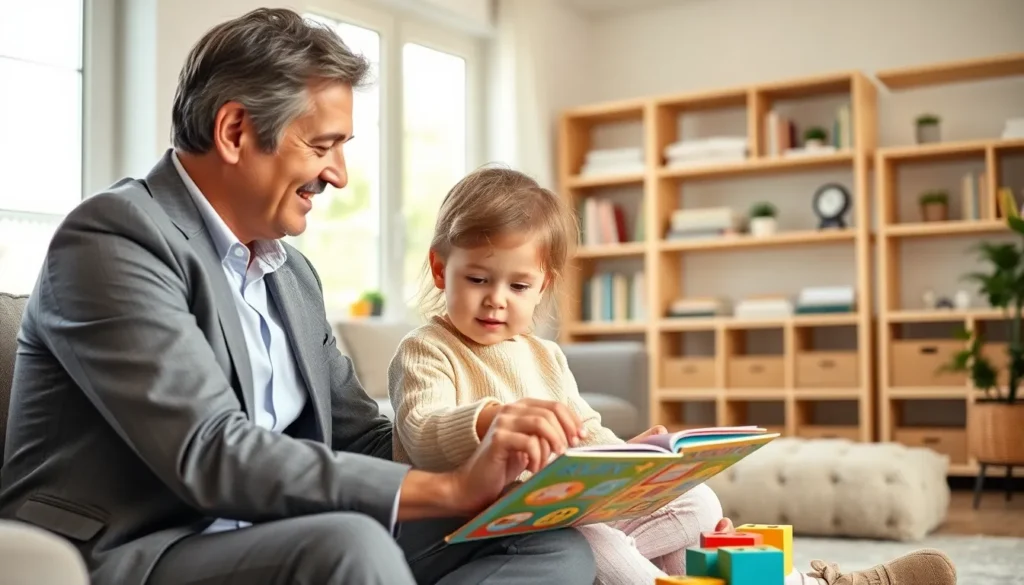
Reading together stands out as one of the most impactful child development strategies. Daily reading builds vocabulary, improves attention spans, and strengthens parent-child bonds. Even 15 minutes makes a measurable difference. Ask open-ended questions about stories to boost comprehension and critical thinking.
Emotional coaching helps children identify and manage feelings. When a child feels frustrated, parents can name the emotion: “You seem angry that your tower fell down.” This simple technique builds emotional vocabulary and self-awareness. Over time, children learn to regulate their own responses.
Problem-solving practice develops cognitive flexibility. Instead of immediately solving problems for children, adults can guide them through the process. “What do you think might work?” encourages independent thinking. Let kids struggle a bit before offering help, that’s where real learning happens.
Praising effort over results supports a growth mindset. “You worked really hard on that drawing” motivates continued effort better than “You’re so smart.” Children praised for effort tend to embrace challenges rather than avoid them.
These child development strategies build resilience alongside intelligence. Kids learn that they can handle difficulties and improve through practice.
The Role of Play in Learning
Play isn’t just fun, it’s essential work for developing brains. Child development strategies that incorporate play produce better outcomes than drill-based approaches.
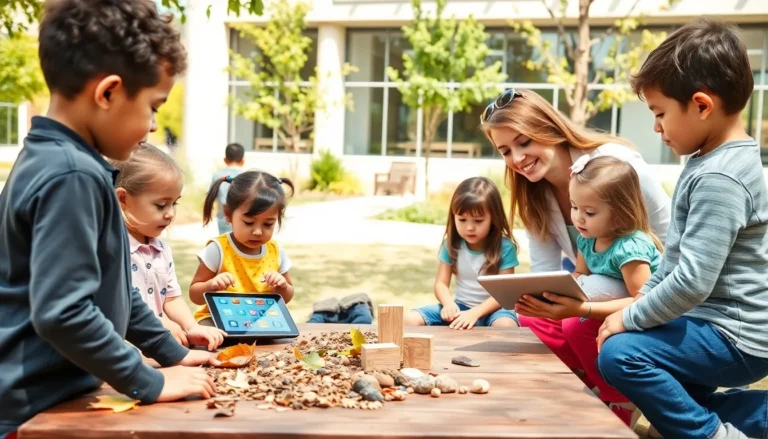
Free play allows children to direct their own activities. This type of play develops creativity, decision-making, and self-regulation. Kids who engage in regular free play show better executive function skills, which predict academic success.
Structured games teach rule-following and turn-taking. Board games, sports, and organized activities help children learn to win gracefully and lose without falling apart. These experiences prepare kids for classroom expectations.
Imaginative play builds language skills and social understanding. When children pretend to be doctors, teachers, or superheroes, they practice perspective-taking. They consider what different people might think, say, or do.
Physical play supports brain development through movement. Running, climbing, and jumping strengthen neural connections. Active children typically concentrate better in academic settings.
Research shows that preschoolers learn math concepts better through play-based instruction than worksheet drills. The same pattern holds for literacy and science. Child development strategies that feel like play engage children’s natural curiosity and motivation.
Adults can enhance play by joining in occasionally without taking over. Follow the child’s lead, ask questions, and add small extensions to their ideas.
Building Social Skills Through Interaction
Social skills don’t develop automatically. Children need opportunities to practice interacting with peers and adults in various contexts.
Regular peer interaction teaches cooperation, negotiation, and conflict resolution. Playdates, group activities, and team sports provide natural practice. Even siblings at home offer social learning opportunities, though not always pleasant ones.
Modeling appropriate behavior shapes how children treat others. Kids watch adults constantly. They notice how parents handle disagreements, greet neighbors, and respond to service workers. Child development strategies include being the person you want your child to become.
Teaching specific social scripts helps children know what to say. “When someone shares with you, you can say thank you” gives concrete guidance. Role-playing common scenarios, meeting new kids, joining a game, handling teasing, builds confidence.
Discussing social situations after they happen deepens understanding. “How do you think Marcus felt when you grabbed that toy?” prompts reflection. Children gradually internalize these lessons.
Limiting screen time protects social development. Face-to-face interaction teaches nonverbal cues, tone interpretation, and real-time response. Screens can’t replicate these lessons. The American Academy of Pediatrics recommends age-appropriate limits for this reason.
Child development strategies for social growth require patience. Social skills improve slowly with consistent practice and feedback.
Creating a Supportive Home Environment
The home environment shapes development more than any program or class. Simple adjustments create conditions where children thrive.
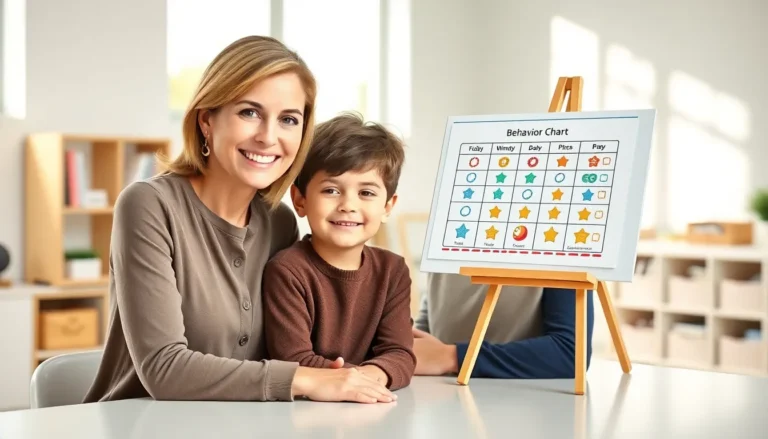
Consistent routines provide security. Children feel calmer when they know what to expect. Regular mealtimes, bedtimes, and assignments schedules reduce anxiety and power struggles. Predictability frees mental energy for learning and growth.
Designated spaces support different activities. A quiet reading corner, an area for active play, and an organized study spot signal what behavior each space invites. Child development strategies include environmental design.
Access to appropriate materials stimulates learning. Books, art supplies, building blocks, and puzzles don’t need to be expensive. Libraries, secondhand stores, and household items work fine. Rotate toys to maintain interest.
Limiting excessive noise and chaos protects developing brains. Constant background television or household conflict creates stress that impairs concentration and emotional regulation. Calm environments support better outcomes.
Positive communication patterns build self-esteem. Children need more positive interactions than negative ones, researchers suggest a ratio of at least five to one. Catch kids doing something right and comment on it.
Adequate sleep underlies all other child development strategies. Sleep-deprived children struggle with attention, mood, and memory. Protect bedtimes fiercely, even when schedules get hectic.