Parents and caregivers often search for child development ideas that actually work. Children grow fast, and the right activities can make a real difference in how they learn, connect, and build confidence. This guide covers practical strategies across cognitive, social, emotional, and physical development. Each section offers specific ideas parents can use at home. Whether a child is a toddler or approaching school age, these approaches support healthy growth at every stage.
Table of Contents
ToggleKey Takeaways
- Effective child development ideas span cognitive, social, emotional, and physical growth—and work best when they feel like play.
- Reading aloud for just 15 minutes daily builds vocabulary, listening skills, and critical thinking in children of all ages.
- Teaching children emotional vocabulary helps them express feelings and reduces behavioral outbursts.
- Gross and fine motor activities like outdoor play, drawing, and sensory bins support brain development and coordination without expensive equipment.
- Predictable routines and a calm home environment help children feel secure, focus better, and build independence.
- Quality connection time with caregivers forms the foundation for all other child development strategies to succeed.
Understanding the Stages of Child Development
Child development happens in predictable stages, though every child moves at their own pace. Knowing these stages helps parents choose the right child development ideas for their child’s current abilities.
Infancy (0–12 months): Babies focus on sensory exploration and motor skills. They learn to grasp objects, recognize faces, and respond to sounds. Simple activities like tummy time and peek-a-boo support growth during this phase.
Toddlerhood (1–3 years): Language explodes during this stage. Toddlers start walking, talking, and testing boundaries. They benefit from activities that encourage movement and basic problem-solving.
Preschool (3–5 years): Children develop stronger social skills and imagination. They can follow simple instructions and enjoy pretend play. This stage is ideal for introducing structured learning through games.
Early School Age (6–8 years): Logical thinking begins to emerge. Kids can handle more complex tasks, cooperate in groups, and understand rules. Child development ideas at this stage should challenge their growing minds while keeping things fun.
Understanding where a child falls in these stages allows parents to set realistic expectations. It also helps them select activities that stretch abilities without causing frustration.
Cognitive Development Activities
Cognitive development refers to how children think, learn, and solve problems. Strong cognitive skills help kids succeed in school and daily life. Here are child development ideas that build mental abilities.
Puzzles and Building Blocks
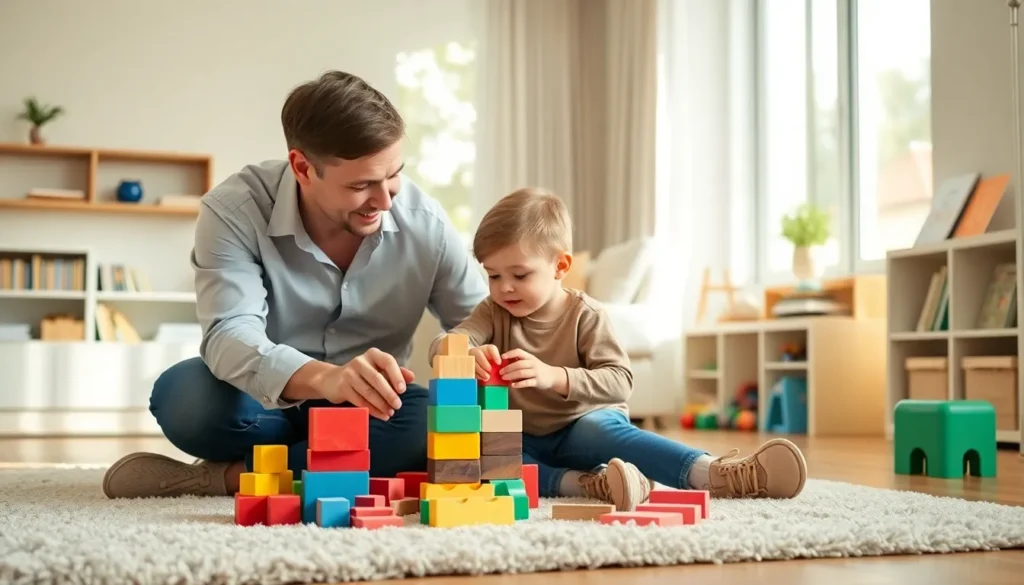
Puzzles teach spatial awareness and logical thinking. Start with simple wooden puzzles for toddlers, then move to jigsaw puzzles with more pieces. Building blocks encourage creativity and help children understand cause and effect.
Reading Together
Reading aloud builds vocabulary, listening skills, and attention span. Ask questions about the story to encourage critical thinking. Even 15 minutes of daily reading creates lasting benefits.
Sorting and Categorizing Games
Ask children to sort objects by color, size, or shape. This activity strengthens pattern recognition and early math skills. Use everyday items like buttons, socks, or toy cars.
Memory Games
Card-matching games improve working memory and concentration. Start with fewer cards for younger children and increase difficulty over time.
Open-Ended Questions
Instead of yes-or-no questions, ask “What do you think will happen?” or “How would you solve this?” These questions push children to think deeper and express their reasoning.
Cognitive child development ideas work best when they feel like play rather than lessons. Kids learn more when they’re engaged and having fun.
Social and Emotional Growth Strategies
Social and emotional skills help children form relationships, manage feelings, and handle challenges. These abilities matter as much as academic skills for long-term success.
Teaching Emotional Vocabulary
Children need words to express their feelings. Teach them to name emotions like frustrated, excited, nervous, or proud. When a child can say “I feel angry,” they’re less likely to act out.
Role-Playing Scenarios
Pretend play lets children practice social situations safely. Act out scenarios like sharing toys, meeting new friends, or handling disappointment. This builds empathy and social problem-solving.
Modeling Healthy Responses
Kids watch how adults handle stress and conflict. When parents demonstrate calm responses to frustration, children learn to do the same. Saying “I’m feeling upset, so I’m going to take a deep breath” teaches self-regulation.
Playdates and Group Activities
Regular interaction with peers gives children practice in cooperation, turn-taking, and communication. Structured activities like group art projects work well for children who struggle with unstructured play.
Validating Feelings
When children feel heard, they develop emotional security. Statements like “It makes sense you feel sad about that” help kids feel understood. Avoid dismissing emotions with phrases like “You’re fine” or “Don’t cry.”
These child development ideas create a foundation for healthy relationships throughout life. Emotional intelligence starts at home.
Physical Development Through Play
Physical activity supports brain development, coordination, and overall health. Active play also helps children release energy and sleep better. These child development ideas get kids moving.
Gross Motor Activities
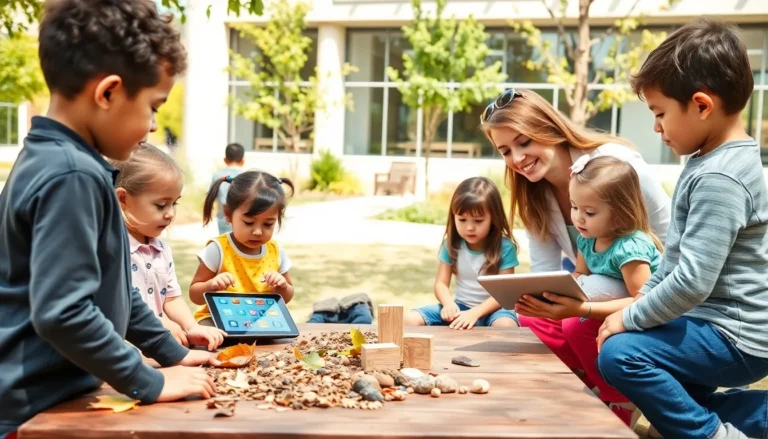
Gross motor skills involve large muscle groups. Running, jumping, climbing, and throwing all strengthen these abilities. Outdoor play at parks provides natural opportunities. Indoor options include dance parties or obstacle courses made from pillows and furniture.
Fine Motor Practice
Fine motor skills involve smaller movements in the hands and fingers. Activities that build these skills include:
- Drawing and coloring
- Cutting with safety scissors
- Stringing beads
- Playing with playdough
- Buttoning clothes
Strong fine motor skills help children write, tie shoes, and handle small objects.
Balance and Coordination Games
Simple activities like walking on a line, hopping on one foot, or playing catch improve body awareness. Balance boards and tricycles work well for younger children.
Sensory Play
Sand, water, rice bins, and slime engage multiple senses while building motor skills. Sensory play also calms some children and helps with focus.
Limiting Screen Time
Excessive screen time reduces opportunities for physical activity. Setting clear limits ensures children have time for active play each day. The American Academy of Pediatrics recommends no more than one hour of screen time daily for children ages 2–5.
Physical child development ideas don’t require expensive equipment. Simple activities at home or the backyard deliver real results.
Creating a Supportive Home Environment
The home environment shapes how children grow and learn. Small changes can make a big impact on development.
Establishing Routines
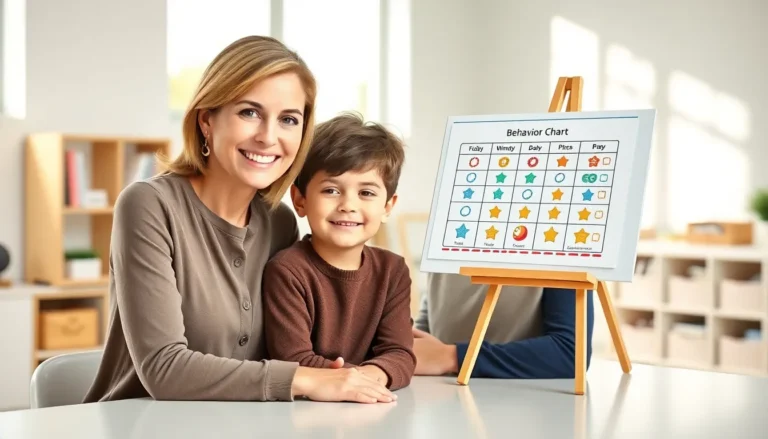
Predictable routines help children feel secure. Consistent mealtimes, bedtimes, and activity schedules reduce anxiety and improve behavior. Routines also teach time management skills.
Setting Up Learning Spaces
Designate areas for different activities. A reading corner with comfortable seating encourages books. An art station with accessible supplies invites creativity. Keep toys organized so children can choose activities independently.
Encouraging Independence
Let children do things for themselves when safe. Toddlers can put away toys. Preschoolers can dress themselves and help with simple chores. Independence builds confidence and problem-solving skills.
Offering Choices
Giving children limited choices empowers them without overwhelming. “Do you want the red cup or blue cup?” works better than open-ended options. This approach reduces power struggles and supports decision-making development.
Reducing Overstimulation
Too many toys, loud noises, or constant activities can overwhelm children. A calm environment with fewer distractions helps kids focus and self-regulate. Rotate toys instead of having everything available at once.
Prioritizing Connection
Quality time matters more than quantity of activities. Daily moments of focused attention, reading together, talking during meals, or playing for 15 minutes, strengthen the parent-child bond. This connection forms the base for all other child development ideas to succeed.