
Every parent wants to understand how their child grows. This child development guide covers the essential stages and milestones that shape a child’s journey from infancy through adolescence. Knowing what to expect at each age helps parents provide the right support at the right time.
Child development follows predictable patterns, though every child moves at their own pace. Some children walk at nine months: others take their first steps closer to fifteen months. Both scenarios fall within normal ranges. This guide breaks down the physical, cognitive, and emotional milestones parents should watch for, and explains how to encourage healthy growth along the way.
Table of Contents
ToggleKey Takeaways
- Child development follows five key stages—infancy, toddlerhood, preschool, middle childhood, and adolescence—each building on the previous one.
- Physical milestones vary widely between children, so a delay in one area doesn’t necessarily indicate a problem.
- Cognitive and emotional development are interconnected: children who feel secure explore and learn more freely.
- Daily reading, age-appropriate play, and consistent routines are simple yet powerful ways parents can support healthy development.
- Limiting screen time and scheduling regular pediatric check-ups help protect children’s physical and developmental health.
- Parents should trust their instincts while seeking professional guidance when concerns arise about their child’s progress.
Understanding the Key Stages of Child Development
Child development happens in distinct stages. Each stage brings new abilities and challenges. Understanding these stages helps parents recognize progress and identify potential concerns early.
Infancy (0-12 months) marks rapid growth. Babies develop motor skills, begin to communicate, and form attachments to caregivers. This stage builds the foundation for all future development.
Toddlerhood (1-3 years) introduces independence. Children learn to walk, talk, and explore their environment. They test boundaries and develop a sense of self.
Preschool years (3-5 years) expand social skills. Children play with peers, follow simple rules, and develop imagination. Language skills improve dramatically during this period.
Middle childhood (6-11 years) focuses on learning. Children master reading, writing, and math. They form friendships and develop self-esteem based on their accomplishments.
Adolescence (12-18 years) brings significant physical and emotional changes. Teens develop abstract thinking, establish identity, and prepare for adulthood.
This child development guide emphasizes that each stage builds on the previous one. A strong foundation in early stages supports success in later stages. Parents who understand these phases can better meet their child’s changing needs.
Physical Development Milestones by Age
Physical milestones serve as markers for healthy child development. They indicate that a child’s brain and body are working together properly.
Birth to 6 Months
Babies gain head control around 2-4 months. They begin reaching for objects by 4 months and can roll over by 6 months. Most babies double their birth weight during this period.
6 to 12 Months
Sitting without support typically happens around 6-8 months. Crawling begins between 7-10 months. Some children pull to stand by their first birthday. Fine motor skills improve as babies learn to pick up small objects.
1 to 3 Years
Walking usually starts between 12-15 months. Running follows by age 2. Children climb stairs, kick balls, and jump by age 3. Hand dominance becomes apparent during toddlerhood.
3 to 5 Years
Preschoolers refine their movements. They pedal tricycles, catch large balls, and draw basic shapes. Balance improves significantly. Most children can dress themselves with minimal help by age 5.
6 to 12 Years
School-age children develop coordination for sports and activities. They write legibly, tie shoes, and handle tools. Growth is steady during these years, with most children gaining about 5-7 pounds annually.
This child development guide notes that physical milestones vary widely. A delay in one area doesn’t necessarily indicate a problem. But, parents should discuss concerns with their pediatrician.
Cognitive and Emotional Growth in Children
Cognitive development shapes how children think, learn, and solve problems. Emotional development determines how they understand and express feelings. Both areas grow together throughout childhood.
Cognitive Milestones
Infants recognize faces and respond to sounds. By age 1, they understand object permanence, knowing that things exist even when hidden. Toddlers develop memory and begin simple problem-solving.
Preschoolers ask endless questions. They understand concepts like size, shape, and color. Pretend play shows their growing imagination. By age 5, most children count to 10 and recognize letters.
School-age children think logically about concrete situations. They understand cause and effect. Reading comprehension and mathematical thinking develop rapidly during this period.
Emotional Milestones
Babies express basic emotions like joy, anger, and fear. Toddlers experience intense feelings but struggle to regulate them, hence the famous tantrums. They begin showing empathy around age 2.
Preschoolers identify their own emotions and start recognizing others’ feelings. They seek approval from adults and peers. Fears of the dark or monsters are common at this age.
School-age children develop self-awareness. They compare themselves to peers and form opinions about their abilities. Friendships become important for emotional well-being.
This child development guide stresses that cognitive and emotional growth affect each other. A child who feels secure explores and learns more freely. Supporting both areas creates balanced development.
How Parents Can Support Healthy Development
Parents play a central role in child development. Simple daily actions create opportunities for growth across all developmental areas.
Talk and read to children daily. Language exposure builds vocabulary and literacy skills. Even newborns benefit from hearing speech. Reading together strengthens bonds and promotes cognitive development.
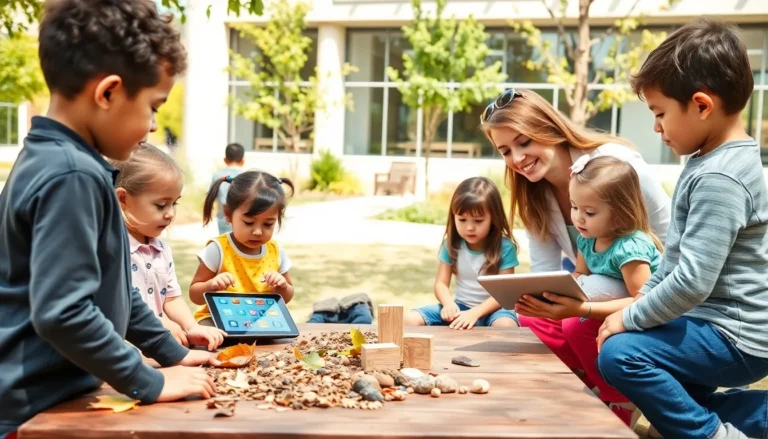
Provide age-appropriate play. Play is how children learn. Blocks teach spatial reasoning. Art supplies develop fine motor skills. Outdoor play builds gross motor abilities and offers sensory experiences.
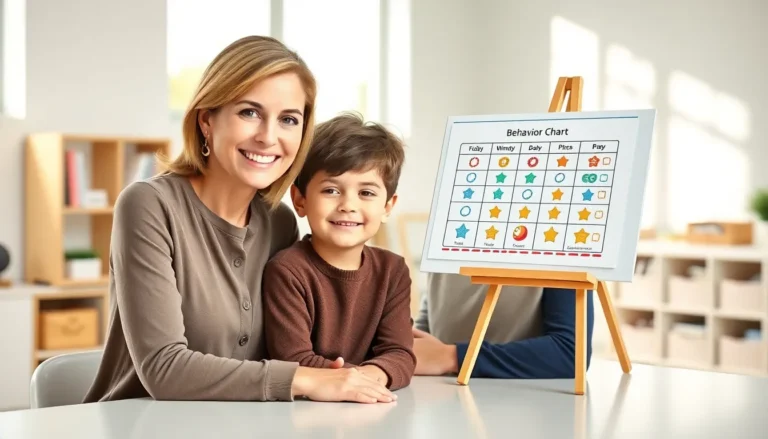
Establish consistent routines. Predictable schedules help children feel secure. Regular mealtimes, bedtimes, and activities reduce anxiety and support emotional development.
Allow safe exploration. Children need opportunities to try new things. Supervised risk-taking builds confidence and problem-solving skills. Let children struggle briefly before stepping in to help.
Respond to emotional needs. Acknowledge children’s feelings, even difficult ones. Help them name emotions and develop coping strategies. A child who feels understood learns to trust others.
Limit screen time. The American Academy of Pediatrics recommends avoiding screens for children under 18 months. Older children benefit from time limits and educational content choices.
Schedule regular check-ups. Pediatricians track development milestones and identify concerns early. Vaccinations and screenings protect children’s health.
This child development guide encourages parents to trust their instincts. They know their children best. Professional guidance helps when questions arise.