Child development examples provide a practical roadmap for understanding how children grow and change over time. From a newborn’s first grasp reflex to a teenager’s abstract thinking, each stage brings new abilities and behaviors. Parents, educators, and caregivers often look for specific milestones to gauge whether a child is progressing as expected. This guide breaks down child development examples across physical, cognitive, social-emotional, and language domains. By recognizing these milestones, adults can better support children at every age.
Table of Contents
ToggleKey Takeaways
- Child development examples span four key domains: physical, cognitive, social-emotional, and language growth from infancy through adolescence.
- Milestones like object permanence, first words, and cooperative play help parents and educators track a child’s progress at each stage.
- Play is essential for child development, building creativity, problem-solving, and social skills across all age groups.
- Responsive interactions—such as making eye contact and asking open-ended questions—strengthen language skills and secure attachments.
- Every child develops at their own pace, but consulting a pediatrician early can make a significant difference if developmental concerns arise.
Physical Development Examples
Physical development includes changes in motor skills, body coordination, and overall growth. These child development examples show how bodies mature from infancy through adolescence.
Infancy (0-12 Months)
Newborns begin with reflexive movements like grasping and sucking. By 3 months, most babies can hold their heads up during tummy time. Around 6 months, many infants sit with support and reach for objects. By their first birthday, most babies crawl, pull themselves to stand, and some take their first steps.
Toddlerhood (1-3 Years)
Toddlers run, climb, and kick balls. Fine motor skills improve, children stack blocks, scribble with crayons, and turn pages in books. By age 3, many can pedal a tricycle and catch a large ball with both arms.
Early Childhood (3-6 Years)
Preschoolers hop on one foot, skip, and throw balls overhand. They dress themselves, use scissors, and draw recognizable shapes. Handwriting emerges as children learn to write their names.
Middle Childhood (6-12 Years)
School-age children refine coordination for sports and activities. They ride bicycles, swim, and participate in team games. Fine motor precision allows for neater handwriting and detailed artwork.
Adolescence (12-18 Years)
Puberty brings rapid growth spurts and physical changes. Teens develop adult muscle mass, coordination, and body proportions. Athletic abilities often peak during this stage.
Cognitive Development Examples
Cognitive development refers to how children think, learn, and solve problems. These child development examples highlight key mental milestones.
Infancy (0-12 Months)
Babies recognize familiar faces and voices within weeks of birth. They develop object permanence around 8 months, understanding that objects exist even when hidden. Infants explore through senses, mouthing and shaking toys to learn about their world.
Toddlerhood (1-3 Years)
Toddlers engage in pretend play, such as feeding a doll or talking on a toy phone. They sort objects by color or shape and follow simple two-step instructions. Memory improves, and children recall past events.
Early Childhood (3-6 Years)
Preschoolers ask countless “why” questions. They understand concepts like time (yesterday, today, tomorrow) and can count objects. Early reading skills emerge as children recognize letters and their sounds.
Middle Childhood (6-12 Years)
School-age children think logically about concrete events. They solve math problems, understand cause and effect, and develop reasoning skills. Memory strategies like rehearsal and organization become common.
Adolescence (12-18 Years)
Teens develop abstract thinking and hypothetical reasoning. They consider multiple perspectives on issues and plan for the future. Critical thinking skills sharpen as adolescents question assumptions and evaluate evidence.
Social and Emotional Development Examples
Social and emotional development shapes how children relate to others and manage feelings. These child development examples reveal important relationship and self-regulation milestones.
Infancy (0-12 Months)
Babies form attachments to primary caregivers and show distress when separated. They smile socially by 2 months and laugh by 4 months. Stranger anxiety typically appears around 8 months.
Toddlerhood (1-3 Years)
Toddlers express a range of emotions, joy, frustration, jealousy, and pride. They begin parallel play, sitting near other children without direct interaction. Tantrums are common as children struggle to regulate intense feelings.
Early Childhood (3-6 Years)
Preschoolers develop friendships and cooperative play. They show empathy for others’ feelings and take turns during games. Self-control improves, though emotional outbursts still occur.
Middle Childhood (6-12 Years)
School-age children form deeper friendships based on shared interests and trust. They understand social rules and respond to peer pressure. Self-esteem becomes tied to academic and social success.
Adolescence (12-18 Years)
Teens prioritize peer relationships and seek independence from parents. They form romantic interests and develop personal identity. Emotional intensity increases, and teens experience mood swings as they mature.
Language Development Examples
Language development tracks how children communicate through sounds, words, and sentences. These child development examples demonstrate speech and comprehension growth.
Infancy (0-12 Months)
Newborns cry to communicate needs. Cooing begins around 2 months, followed by babbling (“ba-ba,” “da-da”) by 6 months. Most babies say their first word around their first birthday.
Toddlerhood (1-3 Years)
Vocabulary explodes during this period. Toddlers combine two words by 18-24 months (“want milk”). By age 3, children speak in short sentences and ask simple questions.
Early Childhood (3-6 Years)
Preschoolers use complete sentences with proper grammar. They tell stories, describe events, and enjoy rhymes and songs. Most speech sounds are mastered by age 5.
Middle Childhood (6-12 Years)
School-age children read independently and write stories. Vocabulary grows to thousands of words. They understand figurative language like jokes, idioms, and sarcasm.
Adolescence (12-18 Years)
Teens communicate with sophisticated vocabulary and complex sentence structures. They adjust their language for different audiences, speaking casually with friends and formally with adults. Written expression matures for academic purposes.
How to Support Healthy Child Development
Understanding child development examples helps adults provide appropriate support. Here are practical strategies to encourage growth across all domains.
Create a Stimulating Environment
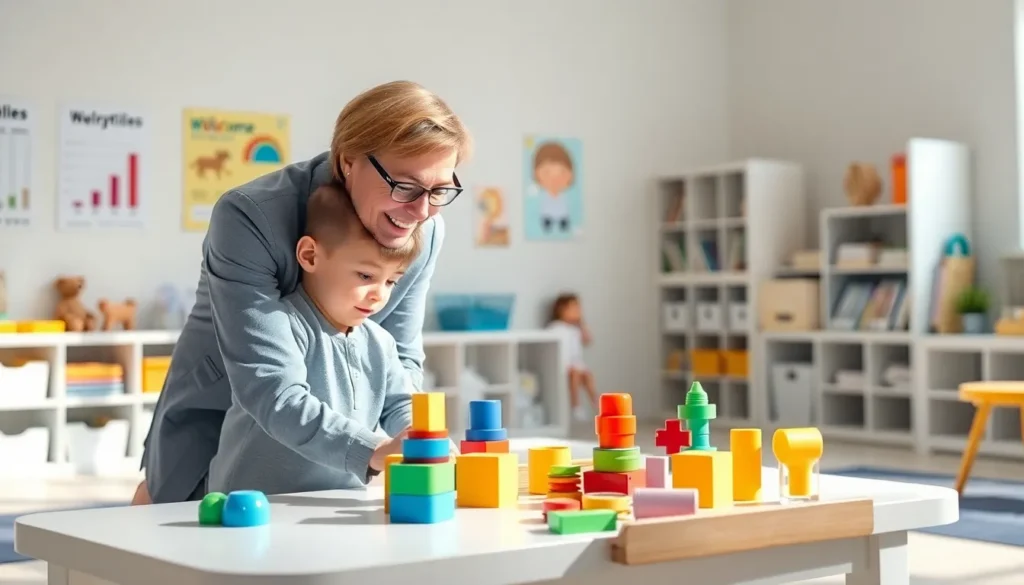
Offer age-appropriate toys, books, and activities. Rotate materials to maintain interest and challenge developing skills. Safe spaces for exploration encourage physical and cognitive growth.
Engage in Responsive Interactions
Respond promptly to children’s needs and communications. Make eye contact, narrate daily activities, and ask open-ended questions. These interactions build language skills and secure attachments.
Encourage Play
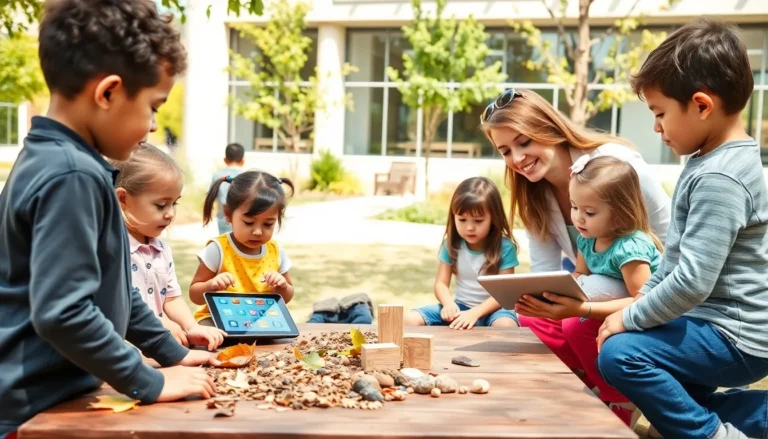
Play is essential for child development. Unstructured play builds creativity and problem-solving abilities. Social play teaches cooperation, sharing, and emotional regulation.
Maintain Consistent Routines
Predictable schedules help children feel secure. Regular mealtimes, bedtimes, and activity times reduce anxiety and support emotional development.
Monitor Milestones Without Worry
Each child develops at their own pace. Developmental ranges vary, and slight delays often resolve naturally. But, parents should consult pediatricians if concerns arise. Early intervention makes a significant difference when developmental issues exist.