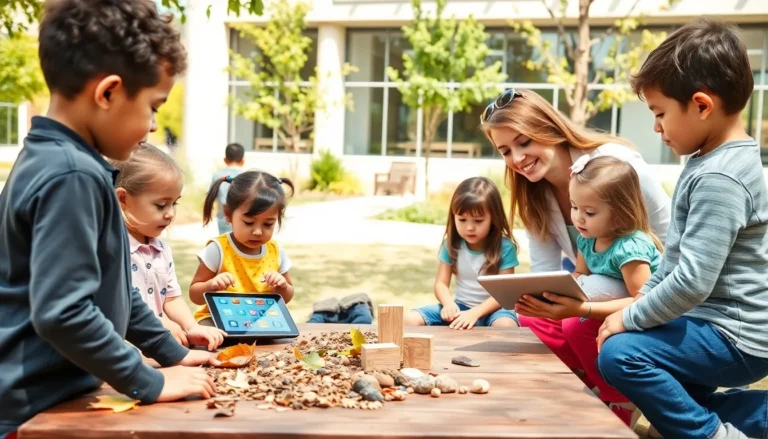

Family life is filled with special moments—weddings, holidays, reunions, and celebrations that bring everyone together. These occasions create lifelong memories, strengthen bonds, and expose children to new experiences. However, they can also disrupt daily routines, especially when it comes to maintaining consistent learning habits.
For many parents, the concern is real: Will my child fall behind during this busy period? The answer is no—at least not if learning is approached with flexibility and creativity. In fact, these moments can become some of the richest educational experiences a child can have.
With the right mindset, parents can turn weddings, travel, and big events into meaningful learning opportunities that go far beyond textbooks.
Table of Contents
ToggleLearning Beyond the Classroom
Children don’t only learn from books—they learn from the world around them. Real-life experiences often teach lessons that are more memorable and impactful than traditional methods.
Events like weddings and family gatherings are full of learning opportunities. For example:
-
Counting guests, chairs, or gift items helps reinforce math skills
-
Reading invitations, signboards, or schedules improves literacy
-
Observing traditions introduces cultural awareness and social understanding
-
Participating in conversations enhances communication skills
These experiences allow children to see how knowledge applies in real life, making learning more relevant and engaging.
Turning Weddings into Educational Moments
Weddings, in particular, offer a wide range of interactive learning scenarios. Instead of seeing them as distractions, parents can involve children in small, meaningful tasks.
Children can:
-
Help organize seating arrangements (learning planning and logic)
-
Count return gifts or decorations (basic arithmetic)
-
Observe rituals and ask questions (cultural education)
-
Assist with simple responsibilities (building confidence and responsibility)
Even something as simple as following a wedding schedule can teach time management and sequencing.
Keeping a Flexible Routine
While strict routines may not be practical during busy times, maintaining a light structure can help children stay connected to learning.
Simple daily habits can include:
-
Reading for 15–20 minutes before bed
-
Practicing basic math through quick exercises or games
-
Writing a short journal entry about the day’s events
These activities don’t take much time but help maintain consistency. The goal is not perfection—it’s continuity.
Learning on the Go
Travel is one of the most powerful forms of education. Whether it’s a short trip for a wedding or a longer family vacation, children are constantly exposed to new environments, people, and ideas.
During travel, children can:
-
Learn about new cities, languages, and cultures
-
Read maps or follow directions (geography skills)
-
Practice budgeting during shopping or dining
-
Observe different lifestyles and traditions
Encouraging children to keep a travel journal—through writing, drawing, or even collecting small souvenirs—can deepen their learning experience and improve memory retention.
Making Everyday Moments Count
Busy schedules don’t eliminate learning opportunities—they simply change their format. Parents can integrate learning into small, everyday interactions.
For example:
-
Ask children to calculate travel time or distances
-
Let them help with packing lists (organization skills)
-
Encourage them to read menus and make choices
-
Discuss events of the day to build comprehension and communication
These micro-learning moments add up and help children stay mentally active without feeling overwhelmed.
Balancing Fun and Education
One of the biggest mistakes parents make is trying to replicate school-like discipline during family events. This often leads to stress and resistance.
Instead, learning should feel natural and enjoyable. The focus should be on:
-
Exploration rather than instruction
-
Curiosity rather than pressure
-
Participation rather than perfection
When children enjoy the process, they are more likely to retain what they learn.
When Extra Support Helps
There are times when schedules become too hectic, and maintaining even a light routine becomes difficult. In such situations, additional academic support can be helpful.
Programs like primary school tuition in Singapore provide structured guidance that ensures children stay aligned with their academic goals. These programs can fill learning gaps and reinforce key concepts, especially during periods when parents may have limited time to supervise studies.
Encouraging Curiosity and Conversation
Curiosity is the foundation of learning. Parents can nurture it by simply engaging children in conversations.
Ask questions like:
-
“What did you notice about this place?”
-
“Why do you think this tradition is followed?”
-
“How would you plan this event differently?”
These discussions encourage critical thinking and help children process their experiences in a meaningful way.
Building Life Skills Along the Way
Beyond academics, busy family seasons are excellent opportunities to develop essential life skills such as:
-
Adaptability in changing environments
-
Social skills through interaction with relatives and guests
-
Time management during packed schedules
-
Responsibility through small tasks and roles
These skills are just as important as academic knowledge and contribute to a child’s overall development.
Long-Term Benefits
Children who continue learning—even informally—during busy times develop a strong, positive attitude toward education. They learn that education is not confined to classrooms but is a continuous, lifelong process.
Over time, this mindset leads to:
-
Greater independence
-
Improved problem-solving abilities
-
Increased confidence in new situations
-
A deeper understanding of the world
Busy family seasons don’t have to interrupt learning—they can enhance it. Weddings, travel, and celebrations offer unique opportunities to teach children valuable lessons in a natural and engaging way.
By embracing flexibility, encouraging curiosity, and integrating small learning moments into daily activities, parents can ensure their children continue to grow academically and personally.
After all, some of the best lessons in life are learned not in classrooms, but in the moments we share with family.