Parents want the best child development outcomes for their kids. Every milestone matters, from a baby’s first smile to a toddler’s first sentence. Understanding how children grow helps parents provide the right support at the right time.
Child development covers physical, emotional, cognitive, and social growth. Each area connects to the others. A child who feels secure explores more freely. A toddler with good nutrition has more energy for learning. These connections explain why a whole-child approach works best.
This guide breaks down key stages and practical strategies parents can use. It covers nutrition, emotional bonding, language skills, and home environment. Parents will find clear, actionable advice they can apply today.
Table of Contents
ToggleKey Takeaways
- The best child development outcomes come from a whole-child approach that addresses physical, emotional, cognitive, and social growth together.
- Secure emotional bonding with caregivers builds confidence and creates a foundation for lifelong learning and exploration.
- Reading aloud and talking to children throughout daily activities are the most effective ways to boost language and cognitive skills.
- Consistent routines, clear boundaries, and a calm home environment reduce anxiety and support healthy development.
- Physical activity, balanced nutrition, and limited screen time fuel brain development and improve focus in children of all ages.
- Parents shape the best child development by modeling the behaviors they want to see—children learn more from watching than from lectures.
Understanding the Stages of Child Development
Child development follows predictable patterns, though every child moves at their own pace. Understanding these stages helps parents set realistic expectations and spot potential concerns early.
Infancy (0–12 months): Babies develop rapidly during this period. They learn to lift their heads, roll over, sit, and eventually crawl or walk. Socially, infants form attachments to caregivers and begin recognizing familiar faces. Language starts with cooing and babbling.
Toddlerhood (1–3 years): Toddlers gain independence quickly. They walk, run, climb, and explore everything. Vocabulary expands from single words to short sentences. This stage brings emotional challenges too, tantrums happen as children learn to manage big feelings with limited communication skills.
Preschool (3–5 years): Preschoolers refine motor skills and develop better coordination. They ask endless questions (“Why?” becomes a favorite word). Social play becomes more cooperative. Children at this stage learn basic concepts like colors, numbers, and letters.
School Age (6–12 years): Academic skills grow significantly. Children develop friendships based on shared interests. They understand rules better and can think more logically. Physical growth slows compared to earlier years but remains steady.
The best child development happens when parents understand where their child currently stands and what comes next. This knowledge removes anxiety about minor variations in timing.
Key Factors That Support Healthy Growth
Several factors influence how well children develop. Parents control many of these factors directly.
Nutrition and Physical Activity
Good nutrition fuels brain development and physical growth. Children need balanced meals with proteins, fruits, vegetables, whole grains, and healthy fats. Iron supports cognitive function. Calcium builds strong bones. Omega-3 fatty acids aid brain health.
Breakfast matters more than many parents realize. Children who eat breakfast show better concentration and academic performance. Limiting sugary snacks and drinks prevents energy crashes and supports dental health.
Physical activity benefits the best child development outcomes in multiple ways. Active children build stronger muscles and bones. Exercise improves mood and reduces anxiety. The CDC recommends at least 60 minutes of moderate-to-vigorous physical activity daily for children aged 6 and older. Younger children need active play throughout the day.
Screen time competes with physical activity. Setting reasonable limits, and modeling active behavior, helps children stay moving.
Emotional Bonding and Social Interaction
Secure attachment forms the foundation for emotional health. Children who feel safe with their caregivers develop confidence to explore and learn. Responding consistently to a child’s needs builds this security.
Simple actions strengthen bonds: making eye contact, reading together, playing on the floor, listening without distraction. Quality matters more than quantity, though both help.
Social interaction teaches children how to cooperate, share, and resolve conflicts. Playdates, group activities, and family gatherings provide practice. Children learn empathy by watching adults model kindness and respect.
Emotional coaching helps children identify and manage feelings. Instead of dismissing emotions (“You’re fine”), parents can name them (“You seem frustrated”). This approach validates the child’s experience and teaches emotional vocabulary.
Encouraging Cognitive and Language Skills
Cognitive development includes memory, problem-solving, attention, and reasoning. Language development overlaps significantly, children need words to think and express ideas.
Talking to children builds vocabulary faster than any other method. Narrate daily activities: “Now we’re putting on your socks. These are blue socks.” Ask open-ended questions: “What do you think will happen next?” This constant verbal input drives the best child development for language.
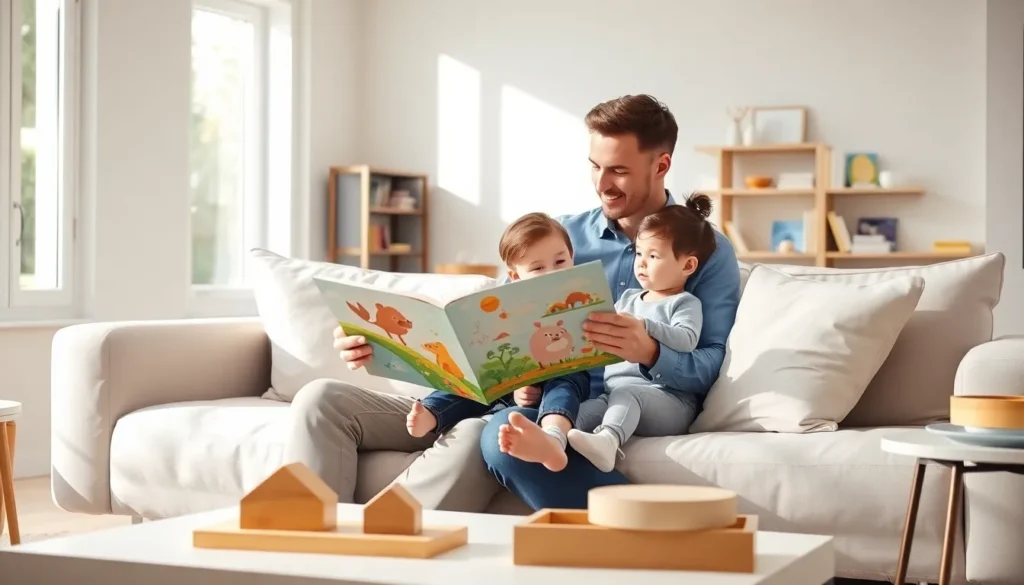
Reading aloud delivers massive benefits. Studies show children who hear 1,000 books before kindergarten arrive better prepared academically. Books introduce new words, concepts, and story structures. Let children choose books they enjoy, engagement matters.
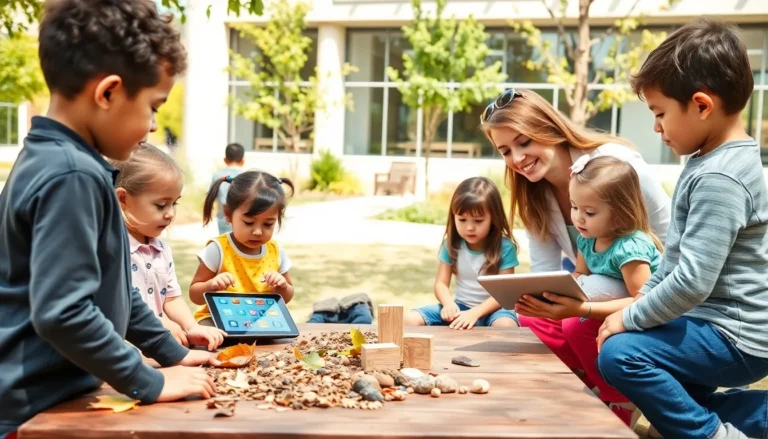
Play supports cognitive growth powerfully. Building blocks teach spatial reasoning. Puzzles develop problem-solving skills. Pretend play builds creativity and perspective-taking. Unstructured play allows children to practice decision-making.
Music exposure helps too. Children who learn instruments often show advantages in math and reading. Even singing songs and playing rhythm games provides benefits.
Limit passive entertainment. Television and tablet games can educate, but they shouldn’t replace interactive activities. Co-viewing and discussing content improves any screen time.
Praise effort over outcomes. Telling a child “You worked hard on that” builds persistence better than “You’re so smart.” This growth mindset helps children embrace challenges.
Creating a Supportive Home Environment
Home environment shapes child development significantly. The physical space, daily routines, and family dynamics all contribute.
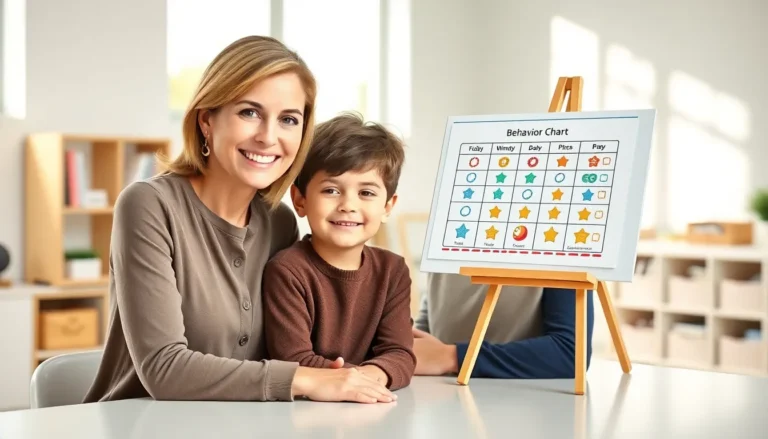
Predictable routines give children security. Regular mealtimes, bedtimes, and activity schedules help kids know what to expect. Routines reduce anxiety and power struggles. They also ensure children get adequate sleep, a critical factor in growth and learning.
Safe spaces for exploration support the best child development. Childproofing allows toddlers to investigate without constant “no” responses. Accessible books, art supplies, and age-appropriate toys invite learning.
Limit clutter when possible. Overwhelming environments can distract and stress children. Rotating toys keeps things fresh without chaos.
Consistent boundaries provide structure children need. Rules should be clear, reasonable, and enforced calmly. Children test limits, that’s normal. How parents respond teaches children about consequences and expectations.
Parental stress affects children directly. Kids pick up on tension, even when adults try to hide it. Managing stress through exercise, social support, or professional help benefits the whole family.
Positive communication patterns matter. Families that eat meals together, share stories, and discuss problems openly raise more resilient children. Criticism and conflict damage development: warmth and acceptance support it.
Finally, modeling matters. Children learn more from watching parents than from lectures. Parents who read raise readers. Parents who manage frustration calmly teach emotional regulation. The best child development advice is often: show, don’t tell.