
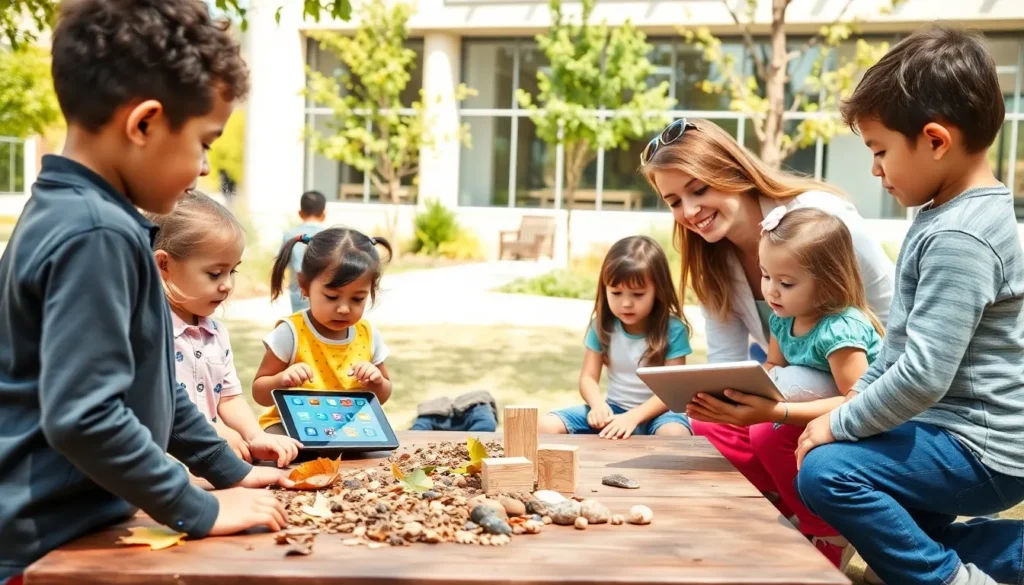
Child development trends 2026 are reshaping how parents and educators approach early learning. From technology integration to outdoor education, new strategies are emerging that prioritize the whole child. These shifts reflect growing research on brain development, emotional intelligence, and effective learning environments.
The coming year brings significant changes to early childhood education. Schools and families are adopting practices that balance screen time with hands-on experiences. They’re also placing greater emphasis on emotional skills alongside academic readiness. Understanding these child development trends 2026 helps caregivers make informed decisions about their children’s growth and education.
Table of Contents
ToggleKey Takeaways
- Child development trends 2026 emphasize intentional technology use, prioritizing creative, educational activities over passive screen consumption.
- Social-emotional learning (SEL) is now essential in early education, teaching children emotional vocabulary, self-regulation, and empathy skills.
- Nature-based and outdoor learning programs are expanding rapidly, improving attention spans, creativity, and problem-solving abilities in young children.
- Personalized learning approaches allow educators to tailor instruction to each child’s unique strengths, challenges, and developmental pace.
- Schools are increasing support for neurodivergent children through inclusive practices, sensory-friendly spaces, and early intervention services.
- Parents can reinforce child development trends 2026 at home by balancing screen time, naming emotions, and encouraging outdoor play.
The Growing Role of Technology in Early Learning
Technology continues to transform early childhood education in 2026. Interactive apps, educational games, and AI-powered learning tools are becoming standard in many classrooms. These resources adapt to each child’s pace and learning style.
But, child development trends 2026 show a more thoughtful approach to screen time. Experts now recommend limiting passive consumption while encouraging active, creative technology use. Children benefit most when they create content rather than simply consume it.
Many preschools now use tablets for specific learning activities rather than general entertainment. Teachers integrate coding basics through age-appropriate games. Virtual reality experiences help children explore concepts like space or ocean life in immersive ways.
Parents should look for programs that:
- Set clear time limits on device use
- Choose high-quality, educational content
- Balance digital activities with physical play
- Use technology as a tool, not a babysitter
The key shift in child development trends 2026 involves intentionality. Technology serves specific educational goals rather than filling time. This approach prepares children for a digital future while protecting their developmental needs.
Emphasis on Social-Emotional Development
Social-emotional learning (SEL) has moved from optional to essential in 2026. Schools now recognize that emotional intelligence predicts success as strongly as academic skills. Child development trends 2026 reflect this understanding through dedicated SEL curricula.
Classrooms increasingly teach children to identify and express their feelings. Teachers use picture books, role-playing, and group discussions to build emotional vocabulary. Children learn phrases like “I feel frustrated when…” rather than acting out.
Self-regulation skills receive significant attention. Preschoolers practice calming techniques such as deep breathing and counting. These strategies help children manage strong emotions and focus their attention.
Empathy development is another priority. Programs encourage perspective-taking through storytelling and cooperative games. Children learn to recognize emotions in others and respond with kindness.
Child development trends 2026 also address anxiety and stress in young children. Post-pandemic awareness has increased focus on mental health support. Many schools now employ counselors trained specifically in early childhood needs.
Parents can reinforce these skills at home by:
- Naming emotions during daily activities
- Reading books about feelings together
- Practicing conflict resolution with siblings
- Modeling healthy emotional expression
This emphasis on social-emotional development prepares children for both academic success and healthy relationships.
Nature-Based and Outdoor Learning Approaches
Outdoor education is experiencing a major resurgence in child development trends 2026. Forest schools and nature-based programs are expanding across the country. Research consistently shows that outdoor learning improves attention, reduces stress, and enhances creativity.
These programs move beyond occasional outdoor play. Children spend substantial portions of their day outside, regardless of weather. They learn through direct interaction with natural materials, rocks, sticks, water, and soil.
The benefits extend beyond physical health. Nature-based learning supports child development trends 2026 by building problem-solving skills. Children figure out how to cross a stream or build a shelter using available materials. These experiences develop executive function and spatial reasoning.
Sensory experiences in nature also support early brain development. The varied textures, sounds, and smells of outdoor environments stimulate neural connections. This sensory richness contrasts sharply with the predictable sensations of indoor settings.
Risk assessment is another valuable skill children gain outdoors. They learn to judge whether a branch will hold their weight or how to use tools safely. Managed risk-taking builds confidence and self-awareness.
Schools implementing these approaches report:
- Improved attention spans in classroom settings
- Better physical coordination and strength
- Increased curiosity and questioning
- Stronger peer relationships formed through outdoor play
Even urban schools are finding ways to incorporate nature-based learning through garden programs and local park partnerships.
Personalized Learning and Developmental Support
One-size-fits-all education is fading as child development trends 2026 embrace personalized approaches. Teachers now assess each child’s strengths, challenges, and interests to create individualized learning paths.
Technology plays a supporting role in this personalization. Assessment tools help identify developmental milestones and potential delays early. Teachers receive data that informs their instructional decisions without replacing their professional judgment.
Differentiated instruction has become standard practice. A single classroom might offer multiple activities targeting the same skill at different levels. Children work at their own pace without feeling left behind or held back.
Child development trends 2026 also show increased support for neurodivergent children. Schools are moving toward inclusive practices that accommodate different learning styles and needs. Sensory-friendly spaces and flexible seating options are becoming common.
Early intervention receives greater emphasis. When developmental concerns arise, families access support services more quickly. This prompt response improves outcomes significantly.
Parent involvement looks different in personalized learning environments. Educators share specific observations and strategies for home reinforcement. Communication focuses on each child’s unique progress rather than comparisons to peers.
This shift reflects a deeper understanding that children develop at different rates. Some excel in language while others lead in motor skills or creativity. Personalized approaches honor these differences while supporting growth in all areas.